
Why Every Detail of a Digital Treatment Plan Deserves a Second Look
Why Every Detail of a Digital Treatment Plan Deserves a Second Look
In a recent TikTok, Dr. Lucas Shapiro of Wall Street Orthodontics walked through a real Invisalign case and highlighted three specific changes made to the default treatment plan. None of these changes involve a dramatic redesign of the case, but each one reflects the kind of detailed, experience-driven review that separates a good treatment outcome from a merely acceptable one.
Watch the original TikTok here: https://www.tiktok.com/@drshap/video/7665125282096925982
The three changes: correcting a reverse smile arc, adjusting spacing to accommodate a future implant crown on the lower right, and removing planned IPR on the upper arch because it wasn't the right move for this patient's specific movement goals.
Change #1: Correcting a Reverse Smile Arc
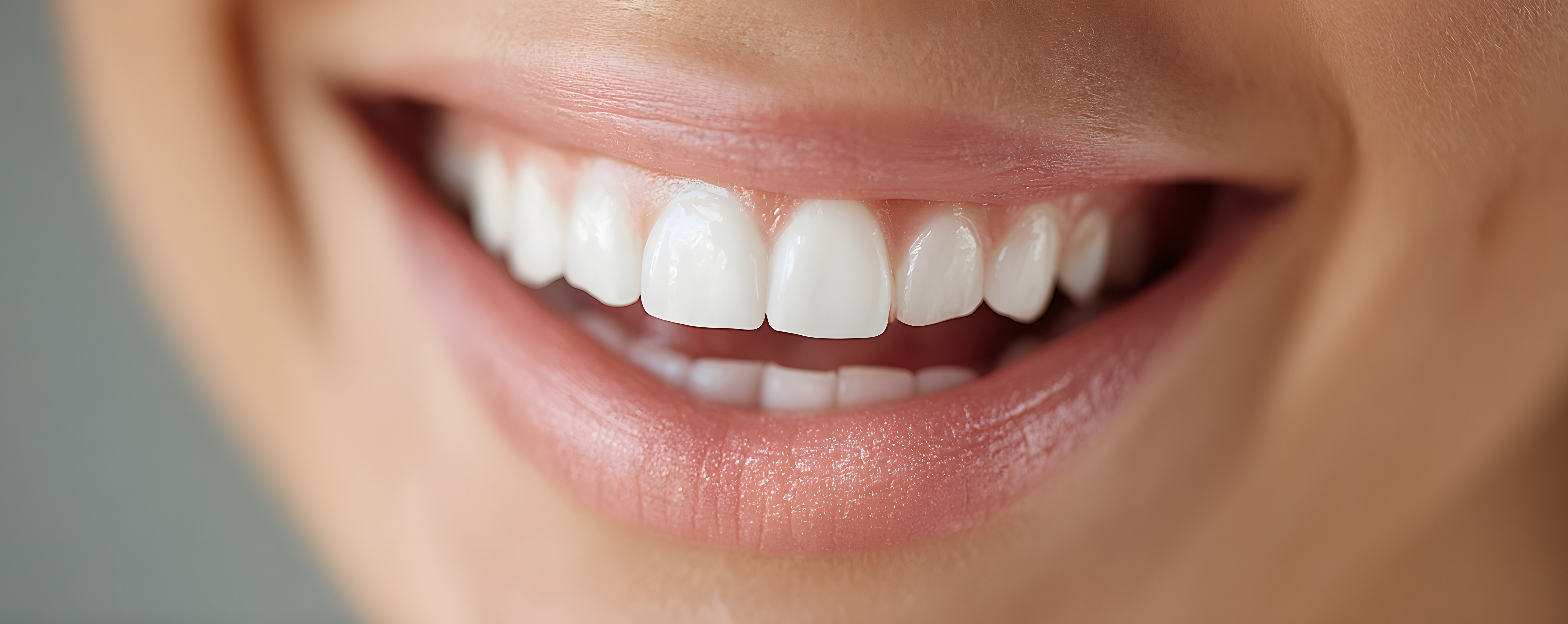
One of the more subtle but impactful adjustments in this case involved the patient's smile arc. The smile arc refers to the curve created by the edges of the upper front teeth when someone smiles, ideally following the natural curve of the lower lip. In an attractive, youthful smile, the central incisors and canines sit slightly longer, with the curve of the teeth gently following that lower lip line.
A "reverse" smile arc happens when that relationship is flipped, meaning the curve of the upper teeth doesn't follow the lower lip the way it should, which can make a smile look flatter, less youthful, or slightly "off" even when the teeth themselves are well-aligned. Default software-generated plans don't always catch or prioritize this detail, since it's a nuanced aesthetic assessment rather than a straightforward alignment calculation.
Correcting it typically involves adjusting the vertical positioning of specific teeth (some extruded, some intruded) so the finished smile follows a natural, consonant curve rather than the flatter line the original plan would have produced. It's a small technical adjustment, but one that has a real, visible impact on how natural and balanced the final smile looks.
Change #2: Reserving Space for a Future Implant Crown
The second change involved planning ahead for a dental implant crown on the lower right. When a patient has a missing tooth that will eventually be restored with an implant and crown, the orthodontic treatment plan needs to create and maintain the correct amount of space for that future restoration, not just close gaps or align the surrounding teeth without regard for it.
If that spacing isn't planned correctly, a patient can finish orthodontic treatment only to find that the space available doesn't match what's actually needed for a properly sized, natural-looking implant crown. Getting this right requires clear communication between the orthodontic and restorative teams from the very beginning of treatment planning, which is exactly why Interdisciplinary Treatment plays such an important role in cases involving planned restorative work. Digital tools like Digital Impressions (iTero) make it much easier to measure and confirm that reserved space precisely throughout treatment.
Change #3: Skipping IPR on the Upper Arch
The third change is a great example of why treatment planning software recommendations always need clinical review. The default plan included IPR (interproximal reduction) on the upper arch, but Dr. Shapiro removed it, because IPR isn't the right move when the actual goal is to procline the upper incisors.
We've covered IPR in more detail in our post on Invisalign IPR explained, but the short version is that IPR creates space by gently reshaping the sides of teeth. When the treatment goal is to procline the upper incisors (tip them slightly forward), that forward movement itself creates additional arch length and space. Removing enamel through IPR at the same time isn't necessary for space, and it removes tooth structure without a clear benefit when proclination is already accomplishing that goal on its own.
This is a good example of a broader principle worth repeating: default settings in aligner software reflect common scenarios, not this specific patient's actual treatment goals. As we've discussed in a related post about optimized rotation vs. retention attachments, software-generated plans are a starting point, and clinical judgment is what determines whether each recommended step actually serves the patient's specific case.
Why These "Small" Adjustments Matter
None of these three changes are dramatic on their own. But together, they illustrate what happens behind the scenes of a well-managed Invisalign case: correcting subtle aesthetic details like smile arc, coordinating with future restorative needs like implant crowns, and removing unnecessary steps like IPR when they don't actually serve the treatment goal.
This level of review applies across treatment types, whether a patient is being treated with Invisalign, Braces, or a Hybrid Treatment approach. A plan that looks complete on a screen still needs to be checked against the patient's actual smile goals, restorative needs, and long-term stability.
FAQs
What is a reverse smile arc?
A reverse smile arc occurs when the curve of the upper front teeth doesn't properly follow the curve of the lower lip when smiling, which can make a smile look flatter or less natural even when teeth are well-aligned.
Why does spacing matter for a future dental implant?
An implant crown needs a specific amount of space to look natural and function properly. If orthodontic treatment doesn't maintain that space accurately, the implant restoration may not fit or look the way it should.
Why would an orthodontist remove planned IPR from a treatment plan?
IPR is used to create space by removing small amounts of enamel between teeth. If the treatment plan already creates enough space another way, such as by proclining the front teeth, adding IPR on top of that may not be necessary.
Does proclining teeth always create enough space to skip IPR?
Not always. Whether IPR is needed depends on the amount of crowding, the direction of planned tooth movement, and the overall treatment goals for that specific case.
How do orthodontists coordinate treatment with a future dental implant?
This typically involves interdisciplinary communication between the orthodontist and the dentist or specialist placing the implant, along with digital imaging to confirm the correct amount of space is created and maintained throughout treatment.
Lorem ipsum dolor sit amet, consectetur adipiscing elit. Suspendisse varius enim in eros elementum tristique. Duis cursus, mi quis viverra ornare, eros dolor interdum nulla, ut commodo diam libero vitae erat. Aenean faucibus nibh et justo cursus id rutrum lorem imperdiet. Nunc ut sem vitae risus tristique posuere.
Ready for a Treatment Plan Reviewed Down to the Details?
Whether your case involves aesthetic refinements, future restorative work, or simply making sure your treatment plan is doing exactly what it needs to and nothing more, Wall Street Orthodontics reviews every detail of your digital plan before treatment begins.
Schedule your consultation today:
- Phone: (212) 871-9835
- Address: 111 Broadway #1707, New York, NY 10006
- Website: https://www.wallstreetortho.com
