


Hybrid Orthodontic Treatment in NYC: Braces and Aligners Combined
Some smiles need more than one tool to get the job done right. Hybrid orthodontic treatment combines braces and clear aligners into a single, personalized plan built around your bite, your teeth, and your daily life. At Wall Street Orthodontics in the Financial District of Lower Manhattan, Dr. Lucas W. Shapiro uses this combination orthodontic treatment approach when a case calls for more precision than one method alone can give. New patients are always welcome, and our team can care for you in Spanish, French, Chinese, and Portuguese, so more of our neighbors feel understood from the very first visit. If you're wondering whether braces and Invisalign combined could work for your smile, we're happy to walk you through it.
What Is Hybrid Orthodontic Treatment?
Hybrid orthodontic treatment, sometimes called combination orthodontic treatment, means using braces and Invisalign together instead of choosing just one. Depending on your case, this might mean braces on certain teeth while aligners manage the rest, or it might mean starting treatment with one method and finishing with the other. Dr. Shapiro decides the right combination after studying your bite, your goals, and how your teeth are likely to respond to each type of movement.
This isn't a compromise or a backup plan. It's a deliberate clinical decision, made only when a case will genuinely benefit from the strengths of both systems working together.
Who Is a Candidate for Combination Orthodontic Treatment?
You may be a good fit for hybrid braces if:
- Your case includes some tooth movements that aligners handle well and others that respond better to fixed braces
- You started aligner treatment and hit a point where a few teeth need more targeted correction
- You want less visible treatment in some areas of your mouth but need firmer control in others
- Your bite involves rotations, bite closure, or root movement that benefit from extra precision
At your consultation, Dr. Shapiro will explain exactly why a combined approach makes sense for your teeth, so you understand the reasoning behind every part of the plan.
Why Combining Braces and Aligners Produces Better Outcomes for Some Cases
Precision Where It Matters Most
Braces hold every tooth in a fixed position around the clock, which makes them well suited for complex movements like rotating a stubborn tooth or closing a bite discrepancy. Aligners, on the other hand, are removable and shift as your teeth move, which works well for more straightforward spacing and crowding. When we combine them, each tool is used where it does its best work, which is designed to give you a more precise result than forcing one method to do a job it wasn't built for.
Flexibility Designed Around Your Life and Schedule
For many Financial District patients, discretion during the workday matters. A combined plan can let you wear removable aligners through visible front teeth while using braces in less noticeable areas, or move between phases as your schedule allows. Treatment is designed for your life, not the other way around, so we take the time to plan around your work travel, meetings, and personal preferences. To see the full range of options we offer, visit our Braces & Aligners page.
How Hybrid Treatment Compares to Braces Alone
Deciding between hybrid treatment and braces alone comes down to how complex your case is and what fits your lifestyle. Here's how the two options compare.
| Feature | Hybrid Treatment | Braces Alone |
|---|---|---|
| Treatment flexibility | Appliance type can be matched to each stage of your case | One appliance type used for the entire treatment |
| Appliance visibility at each phase | May shift between visible braces and clear aligners depending on the phase | Visible brackets and wires throughout treatment |
| Case complexity handling | Designed for cases with mixed movement needs | Well suited for a wide range of standard to complex cases |
| Patient compliance requirements | Requires consistent aligner wear during aligner phases, plus normal brace care | Fixed in place; no daily wear compliance needed |
| Typical treatment phases | Often includes a distinct braces phase and a distinct aligner phase | Usually one continuous phase |
| Ideal candidate profile | Patients whose case needs both precise control and flexibility | Patients who want one consistent appliance for the whole process |
Neither option is right or wrong on its own. Your consultation with Dr. Shapiro will help you see which path fits your case and your goals.
What to Expect During Hybrid Orthodontic Treatment in NYC
Your Consultation and Treatment Planning
Your first visit starts with a full look at your teeth, bite, and jaw, so Dr. Shapiro can map out exactly why a combined approach makes sense for you. We take the time to explain each phase before we begin, so you always know what's next and why. No surprises, just a clear plan.
Phase-by-Phase: How Your Treatment Unfolds
Every hybrid plan is different, but most follow a similar pattern: an initial phase that addresses the movements needing the most precision, followed by a second phase that refines and finishes the smile. Your appointments are scheduled around each phase, so you always know what to expect at each visit.
Retention After Hybrid Treatment
Once your teeth are in their new positions, retention keeps them there. We'll fit you with retainers designed to protect the results of both phases of your treatment, so the time and care you put into your smile lasts.
Hybrid Treatment Results from Our Financial District Practice
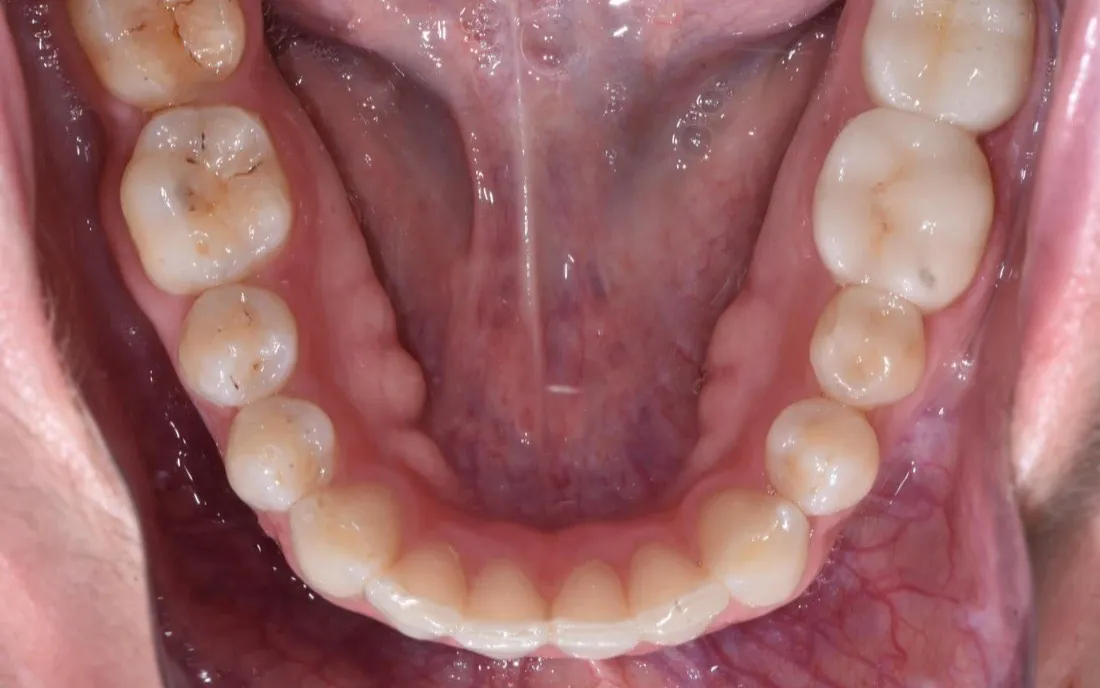
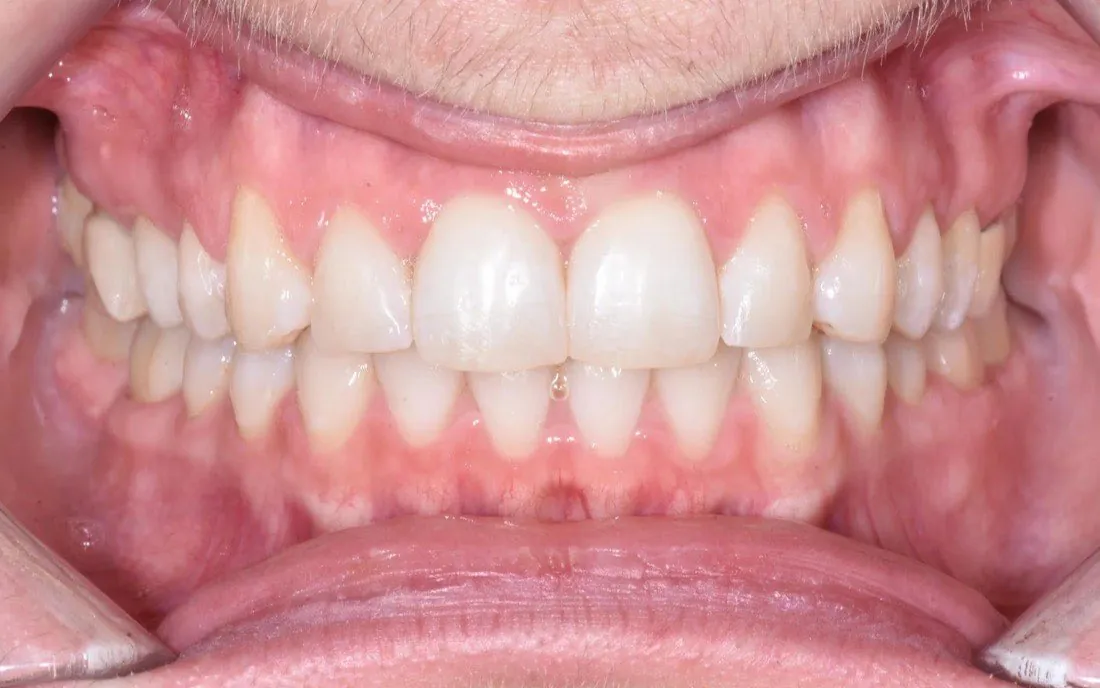
All four views below are the same Wall Street Orthodontics patient, treated with braces and aligners together. Drag the handle across a photo to move between before and after.
 After
After 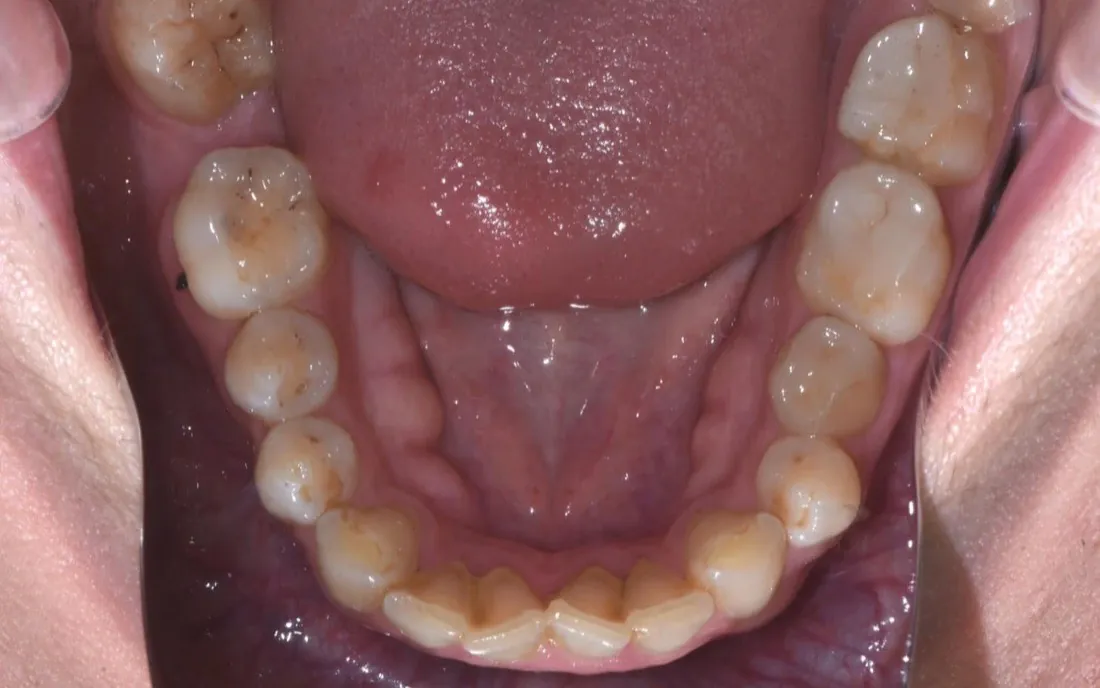 Before
  After
After 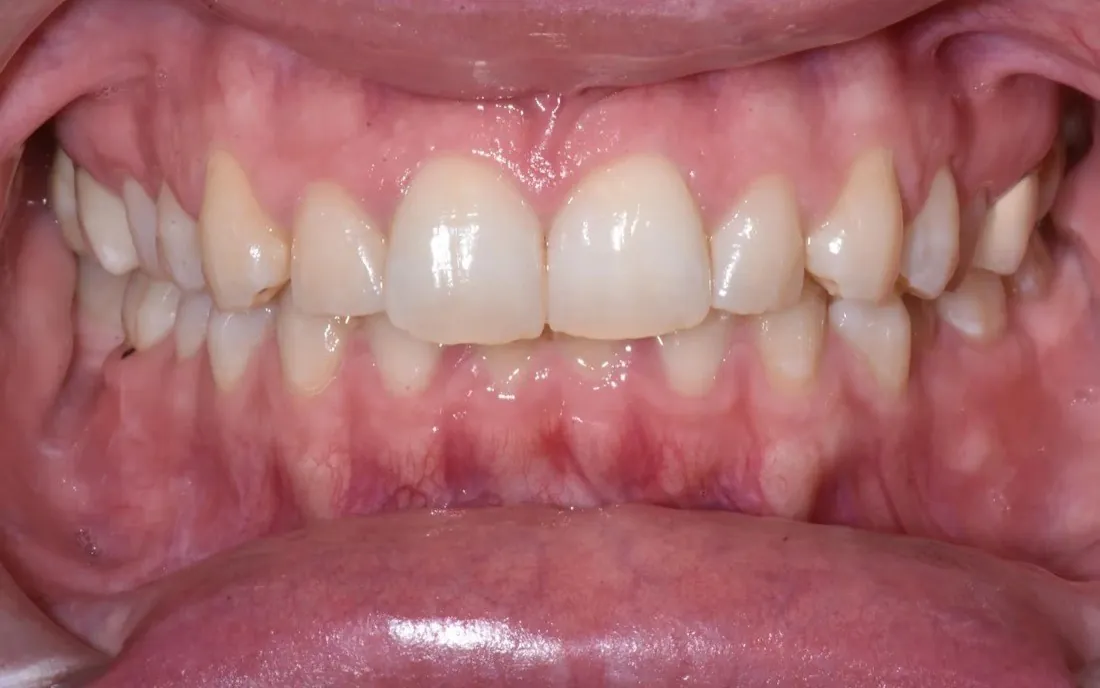 Before
 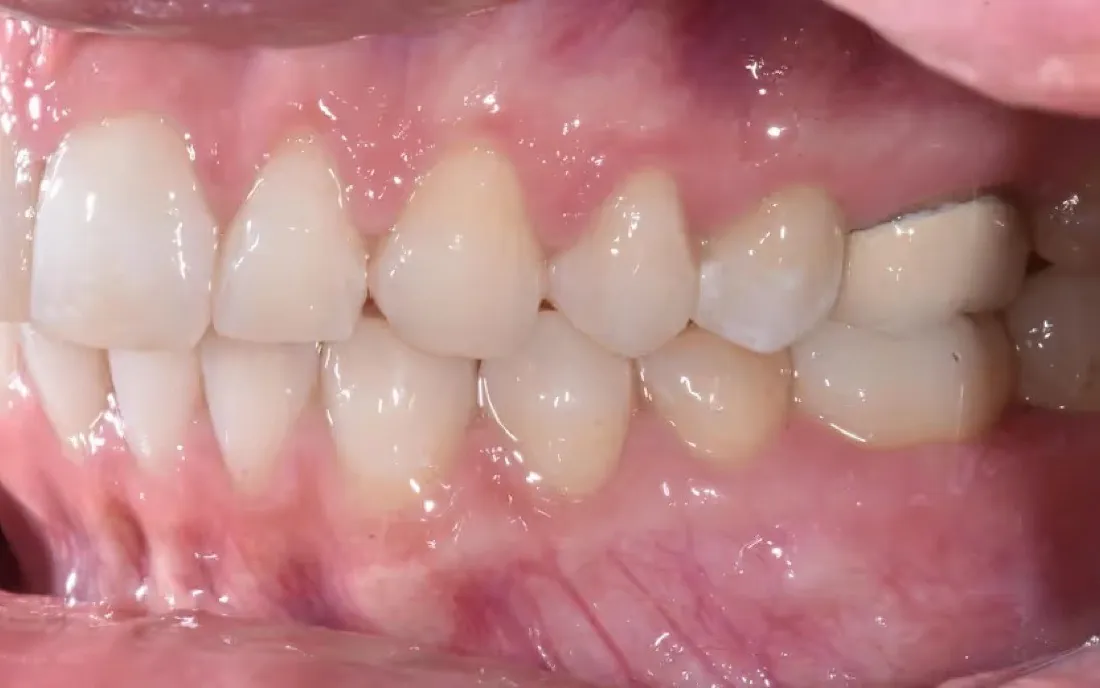 After
After 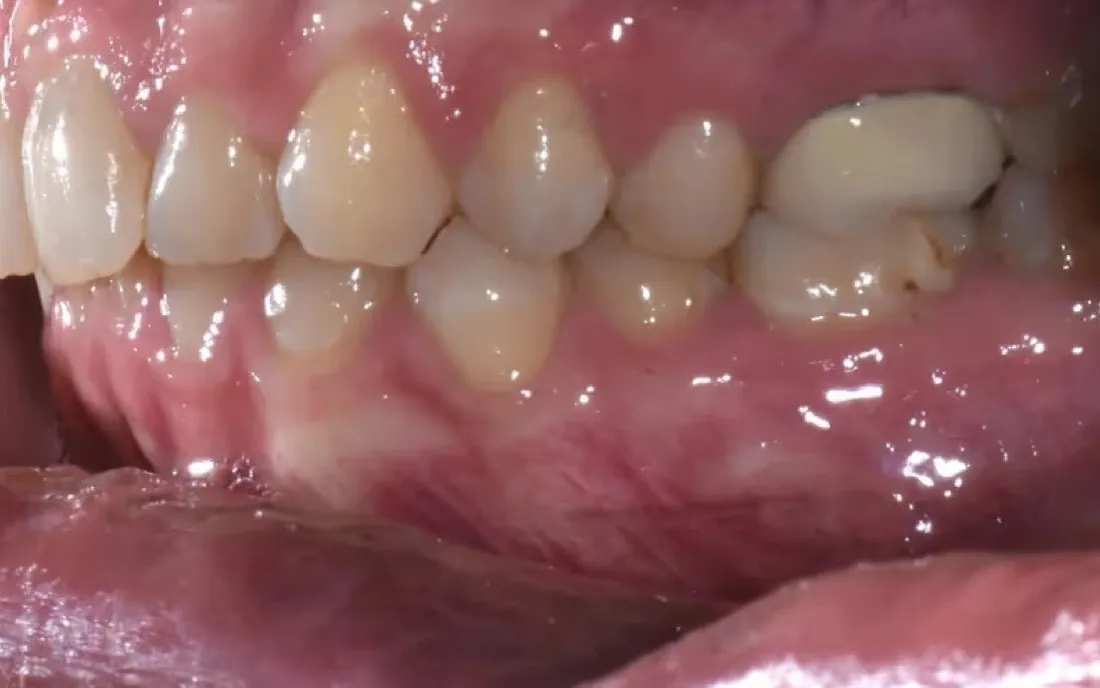 Before
 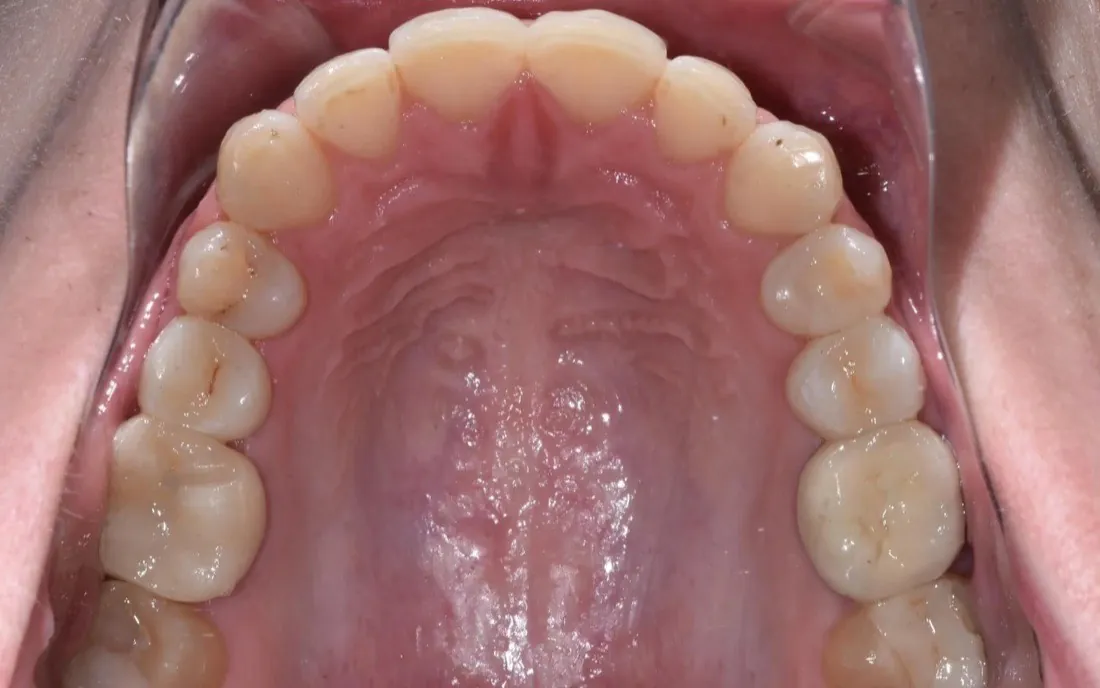 After
After 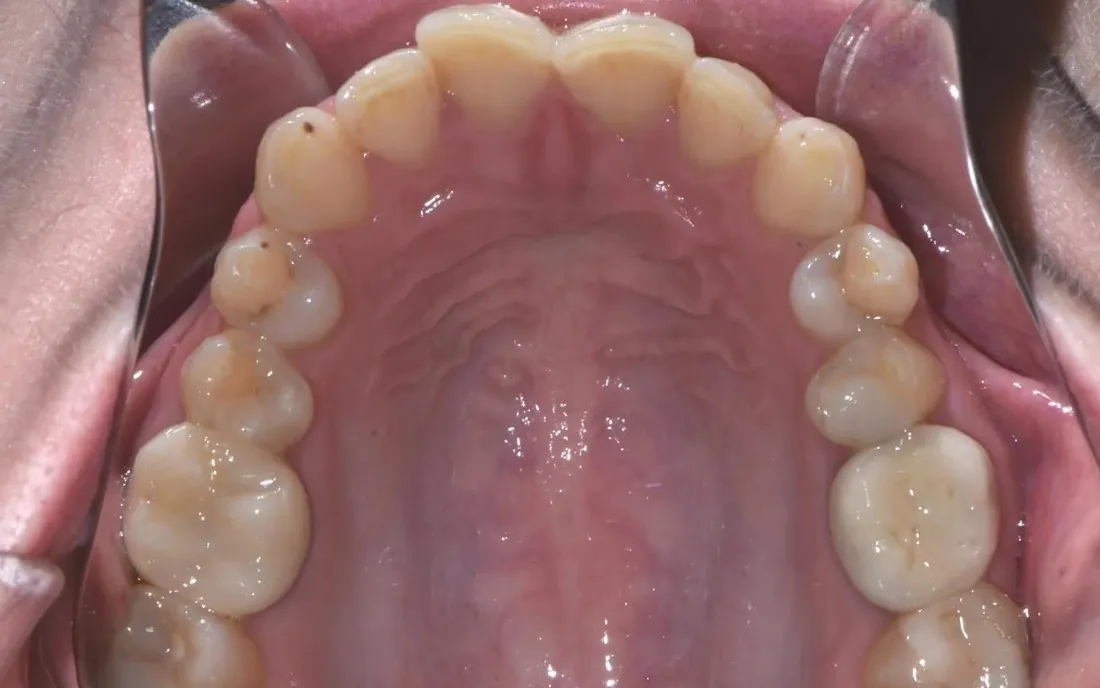 Before
 More treated cases across every treatment we offer are in the smile gallery.
Frequently Asked Questions About Hybrid Orthodontic Treatment
How long does hybrid orthodontic treatment take?
Treatment length depends on your case, since hybrid plans are built around the specific movements your teeth need. Some patients move through both phases in a similar timeframe to traditional braces, while more complex cases may take longer. Dr. Shapiro will give you a personalized timeline at your consultation.
Is hybrid treatment more expensive than braces or Invisalign alone?
Cost depends on your specific treatment plan, including how many phases you need and which appliances are involved. We'll walk you through the details during your consultation so you know what to expect before you commit to a plan.
Can adults undergo combination orthodontic treatment?
Yes. Many of our adult patients in the Financial District choose hybrid treatment because it lets them combine the discretion of aligners with the precision of braces where it's needed most. Age alone doesn't rule out this approach, your bite and goals do.
What happens if I only do braces or aligners instead of combining them?
Braces or aligners alone work well for plenty of patients, and we'll always recommend the simplest effective option for your case. Hybrid treatment is only suggested when Dr. Shapiro sees a genuine clinical reason a single appliance would take longer or produce a less precise result.

See if a Combined Treatment Plan Could Work for Your Smile
Read what our patients say about their treatment on our patient testimonials page, then reach out to start your own conversation with Dr. Shapiro.