


Interdisciplinary Orthodontic Treatment in NYC for Complex Cases
Some smiles need more than braces or clear aligners alone. When a patient has bone loss, a missing tooth, a jaw that needs surgical correction, or a bite affected by gum disease, interdisciplinary orthodontic care in NYC brings the right specialists together under one plan. Dr. Lucas W. Shapiro completed post-doctoral orthodontic training at Tufts University School of Dental Medicine and has built a specialty referral network across Lower Manhattan, so patients with complex orthodontic cases NYC dentists sometimes turn away get a plan built around their whole mouth, not just their teeth. If you've been told your case is too complicated, this is where a team-based, precision-first approach starts.
What Is Interdisciplinary Orthodontic Treatment?
Interdisciplinary orthodontic treatment means your orthodontist works directly with other dental specialists to plan your care as one connected process, not a string of separate appointments. Dr. Shapiro looks at gum health, jaw position, missing teeth, and bite function together, then brings in the right partner at the right time. This kind of multi-specialty dental treatment in NYC is common for adults with more than simple crowding.
When Does Orthodontic Care Require a Specialist Team?
A single orthodontist can diagnose most problems but not always treat every part of them. Cases with active gum disease, a jaw that sits too far forward, back, or narrow, missing or damaged teeth, or a bite that will need crowns or implants later, all benefit from a coordinated plan built before treatment starts.
Which Dental Specialists Work Together on Complex Cases?
Depending on your case, Dr. Shapiro may work with a periodontist, who treats gum and bone health around the teeth, an oral surgeon, who handles jaw surgery and extractions, and a prosthodontist or restorative dentist, who designs crowns, bridges, and implants. Dr. Shapiro stays the clinician who owns your treatment plan from start to finish, working with these specialists rather than simply sending you elsewhere.
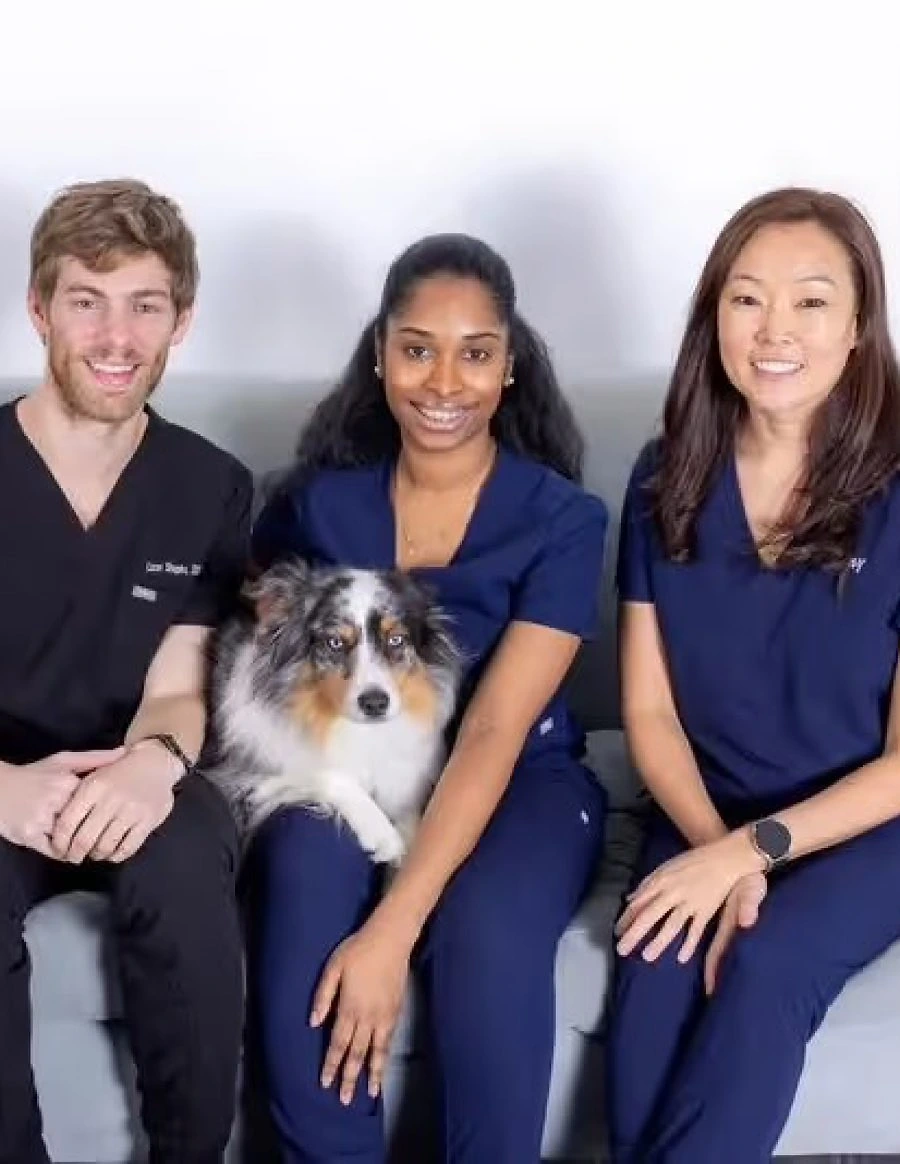
Why Patients with Complex Cases Choose Wall Street Orthodontics
Patients choose Wall Street Orthodontics for complex care because Dr. Shapiro has spent years coordinating with periodontists, oral surgeons, and restorative dentists across Lower Manhattan, so the specialists on your case are already known and trusted. The practice also serves a linguistically diverse patient base, with care available in Spanish and other languages, so more patients understand their plan clearly. Scheduling respects patient time, so multi-step, multi-specialty care does not turn into wasted afternoons. Explore our whole-health approach to see how orthodontics fits into your broader dental health.
Conditions We Treat Through Multi-Specialty Coordination
Periodontal and Orthodontic Cases
When gum disease has caused bone loss, orthodontic movement has to be planned carefully, often alongside a periodontist. Moving teeth too fast, or in the wrong direction, can strain already weakened gum and bone tissue.
Surgical and Skeletal Orthodontic Cases
Some jaw discrepancies cannot be corrected with braces or aligners alone. These cases may call for surgical orthodontics, planned jointly with an oral surgeon, to correct the underlying jaw position. Jaw joint concerns are sometimes part of this picture too, which is why we also offer dedicated TMJ therapy for jaw pain or dysfunction.
Restorative and Prosthetic-Driven Treatment Plans
When a plan will end with crowns, bridges, or implants, orthodontic movement needs to create the right space and angles for that final work. Dr. Shapiro plans tooth movement with the end result in mind, working alongside your restorative dentist for a smile that functions well and lasts.
What to Expect from Your Interdisciplinary Treatment Plan
Initial Assessment and Diagnosis at Our FiDi Practice
Your plan starts with a full exam at our Financial District practice, often supported by 3D CBCT scanning to see bone levels, root positions, and jaw structure in detail. This imaging helps Dr. Shapiro spot issues a standard exam might miss and decide early which specialists need to be part of your care.
How We Coordinate Care Across Specialties
Once the full picture is clear, Dr. Shapiro shares findings directly with the periodontist, oral surgeon, or restorative dentist involved in your case. The team works from the same diagnostic records and the same treatment goals, instead of leaving you to relay information between offices.
Timeline and Sequencing for Multi-Specialty Cases
Interdisciplinary cases are almost always sequenced. Periodontal treatment may need to happen before orthodontic movement begins, while restorative work usually comes after teeth reach their final position. Your timeline depends on your specific case, but you'll know upfront what needs to happen, and in what order, before treatment starts.
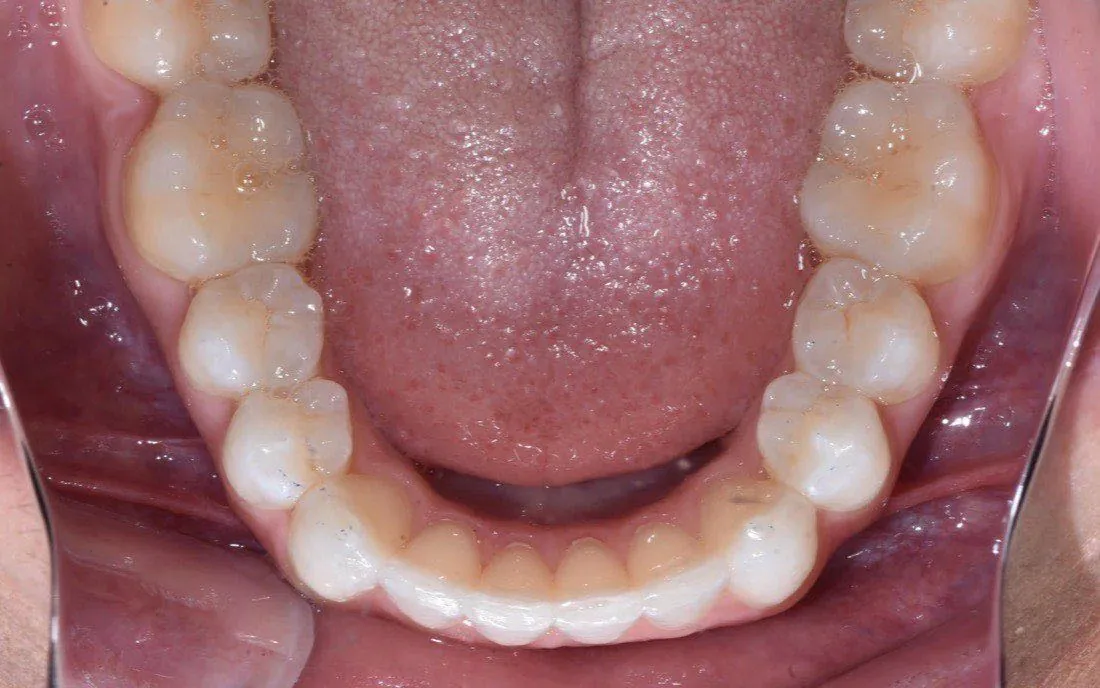
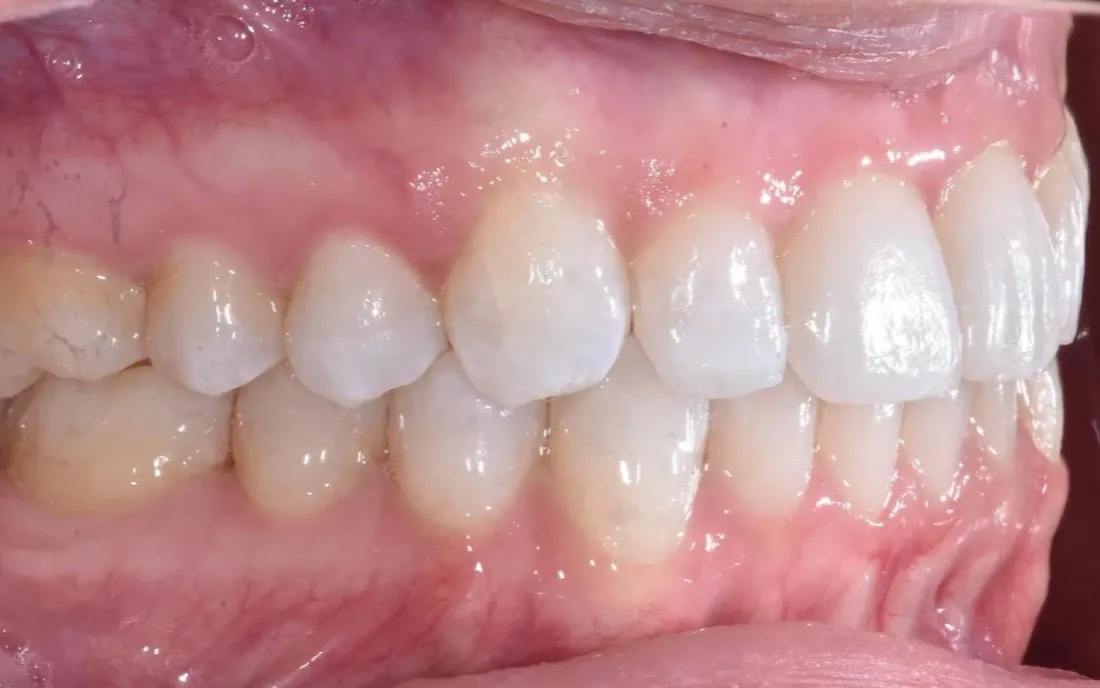
Interdisciplinary Results from Our Financial District Practice
Both cases below are Wall Street Orthodontics patients treated with a coordinated, multi-specialty plan, each shown in two views. Drag the handle across a photo to move between before and after.
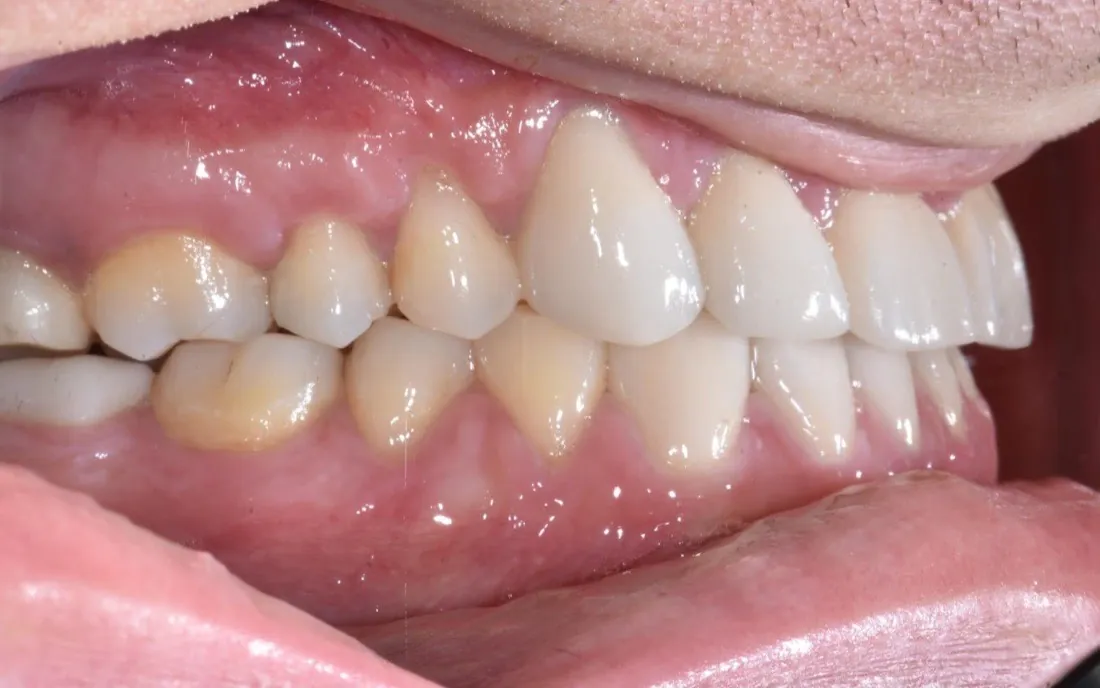 After
After 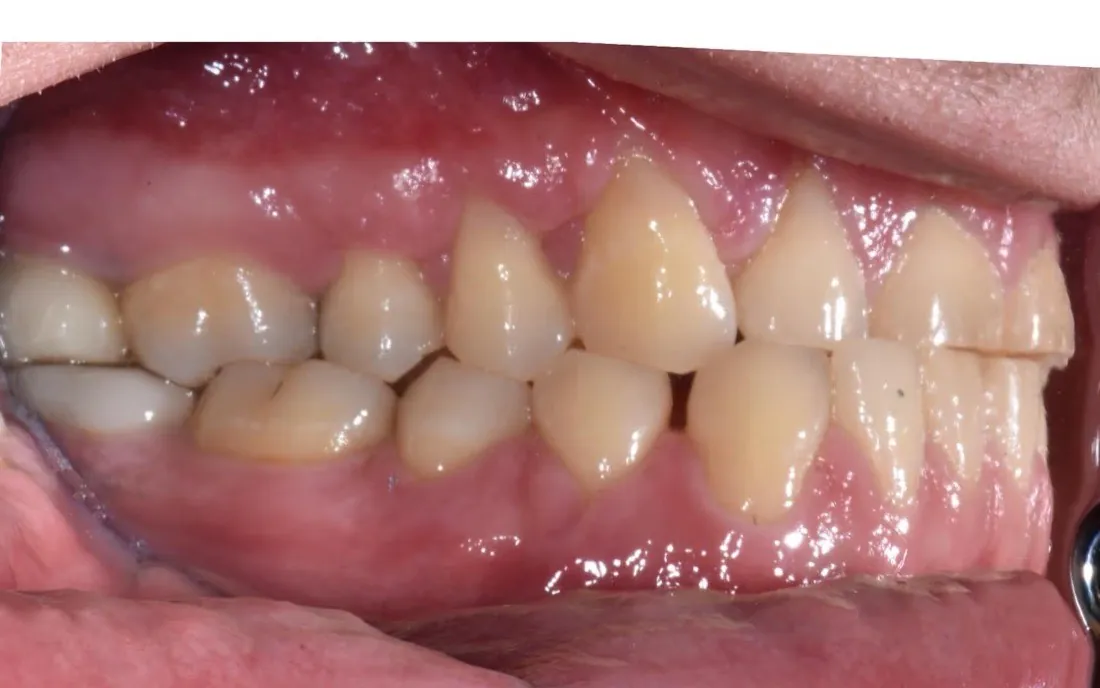 Before
 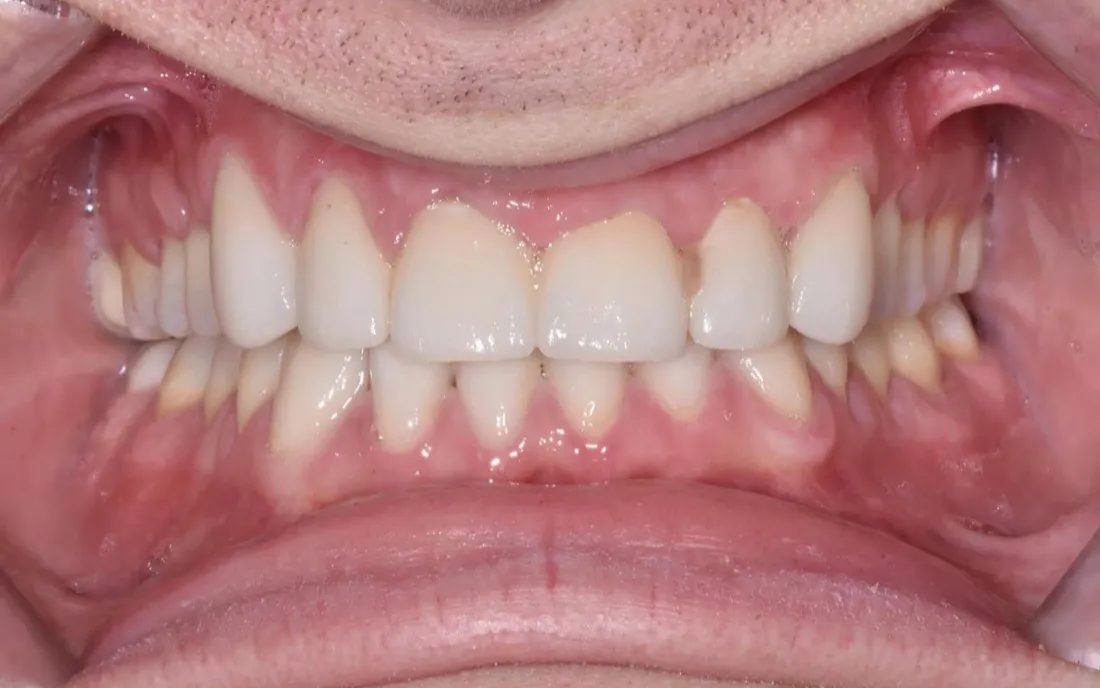 After
After 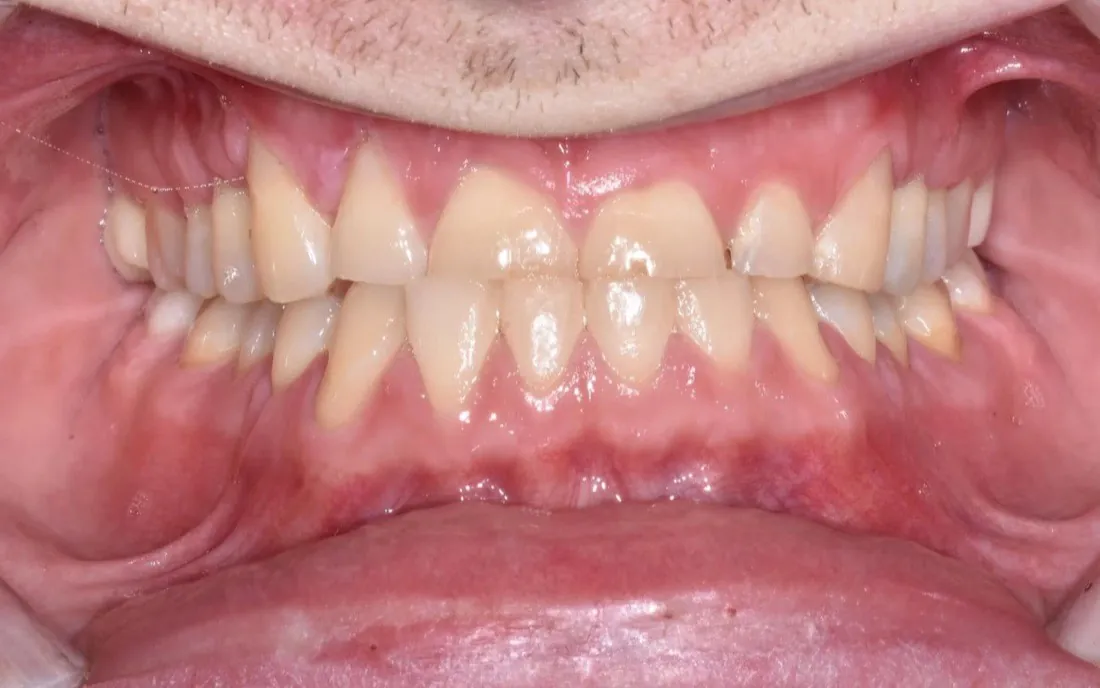 Before
  After
After 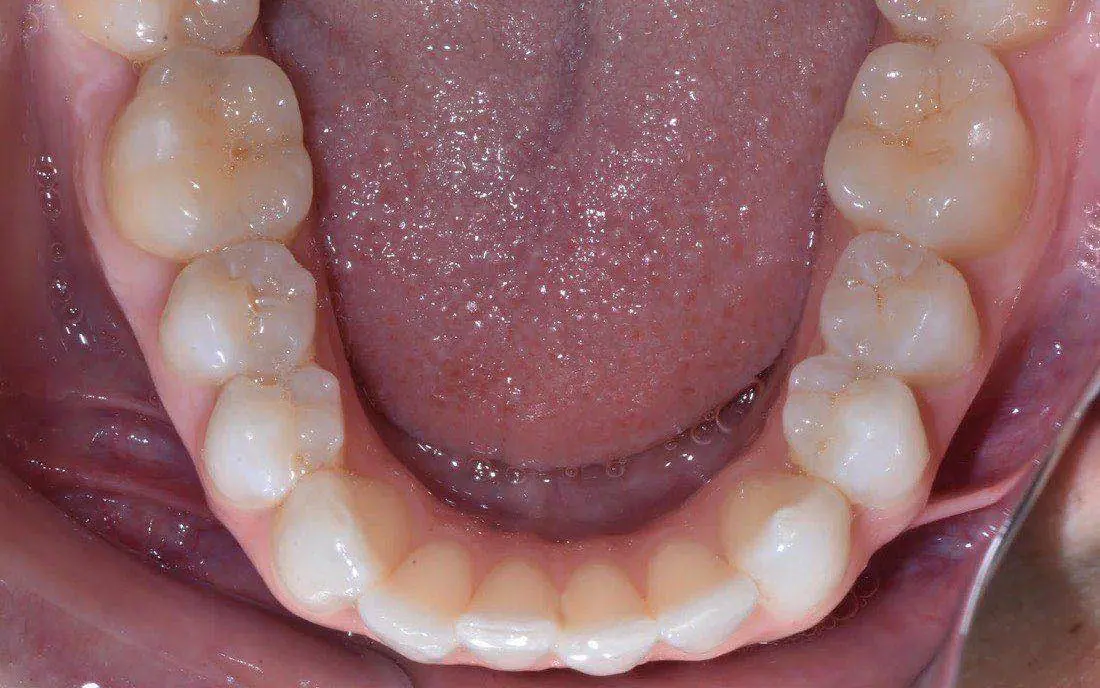 Before
  After
After 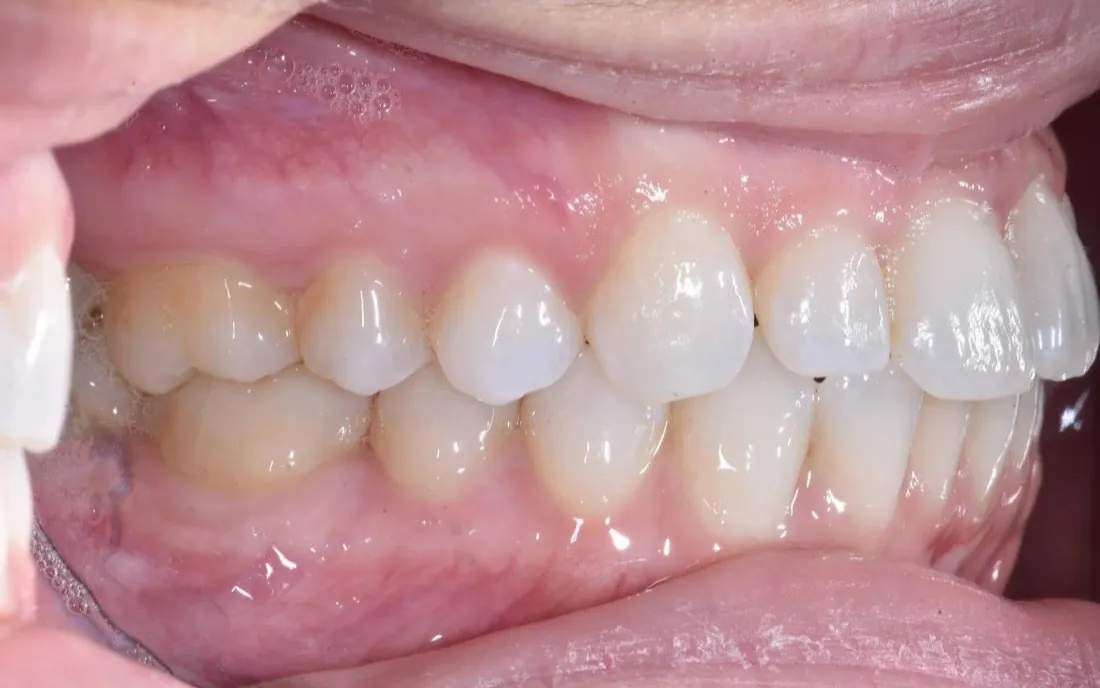 Before
 More treated cases across every treatment we offer are in the smile gallery.
Frequently Asked Questions About Interdisciplinary Orthodontic Care
How long does interdisciplinary orthodontic treatment take?
Timelines vary widely because they depend on how many specialists are involved and what sequence your case requires. A case involving periodontal treatment or jaw surgery alongside orthodontics often takes longer than standard braces or aligner treatment. Dr. Shapiro will give you a realistic timeline once your diagnostic workup is complete.
Do I need a referral to begin treatment at Wall Street Orthodontics?
No referral is required to schedule an initial exam. Many patients come to us directly after being told their case is complex, and Dr. Shapiro determines during your visit whether other specialists should be involved.
Will my orthodontic treatment be coordinated with my current dentist?
Yes. Dr. Shapiro communicates directly with your general dentist and any specialists involved in your care, so everyone works from the same treatment plan and records.
What happens if I delay treatment for a complex orthodontic case?
Waiting can allow existing problems to progress. Gum disease can cause more bone loss, jaw discrepancies can become harder to correct without surgery, and missing teeth can shift neighboring teeth out of position. The longer treatment is delayed, the more limited your restorative options may become, so an earlier evaluation generally gives you more choices, not fewer. For a deeper look at how these cases are managed, read our complex orthodontic treatment guide.
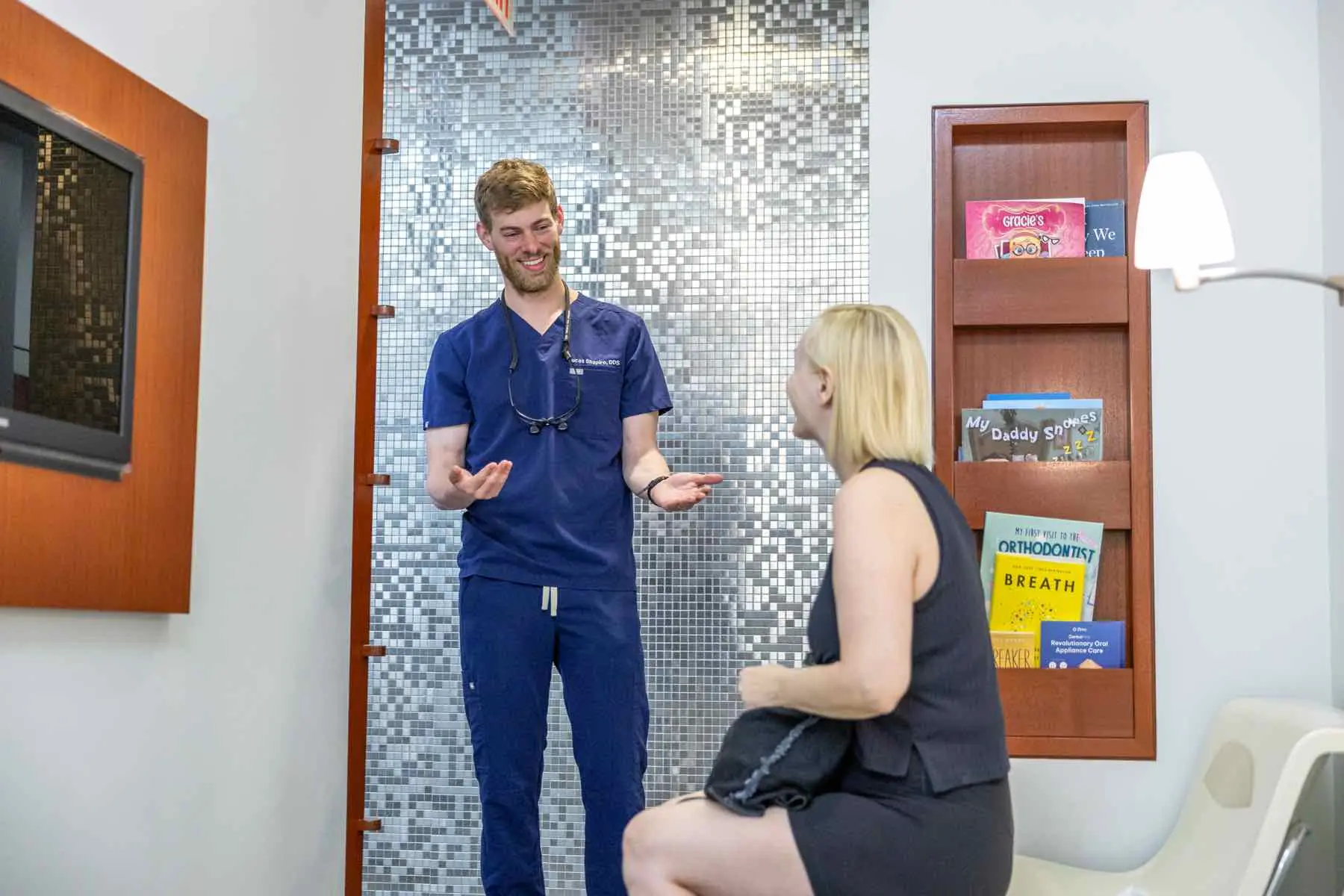
Get a Treatment Plan Built Around Your Whole Care Team
If your case has been called too complicated somewhere else, Dr. Shapiro and the Wall Street Orthodontics team can help you build a coordinated plan that puts you back in control.