

What Is Surgical Orthodontics, and Who Needs It?
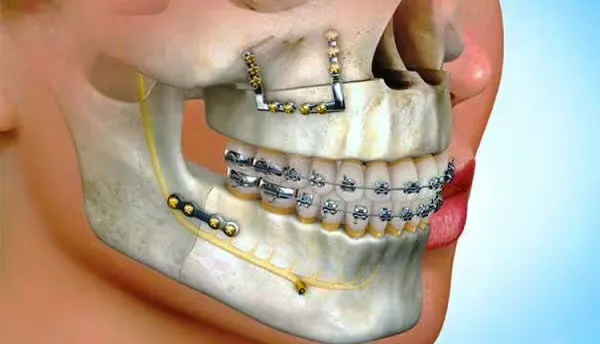
Surgical orthodontics combines orthodontic treatment with a surgical procedure that corrects the jaws themselves, not just the position of the teeth. It is used when a bite or airway problem comes from the skeleton, such as a narrow upper jaw that no longer responds to an expander, or upper and lower jaws that are out of balance. The two main procedures are surgically assisted palatal expansion (SARPE, also called SAPE) and orthognathic, or jaw, surgery.
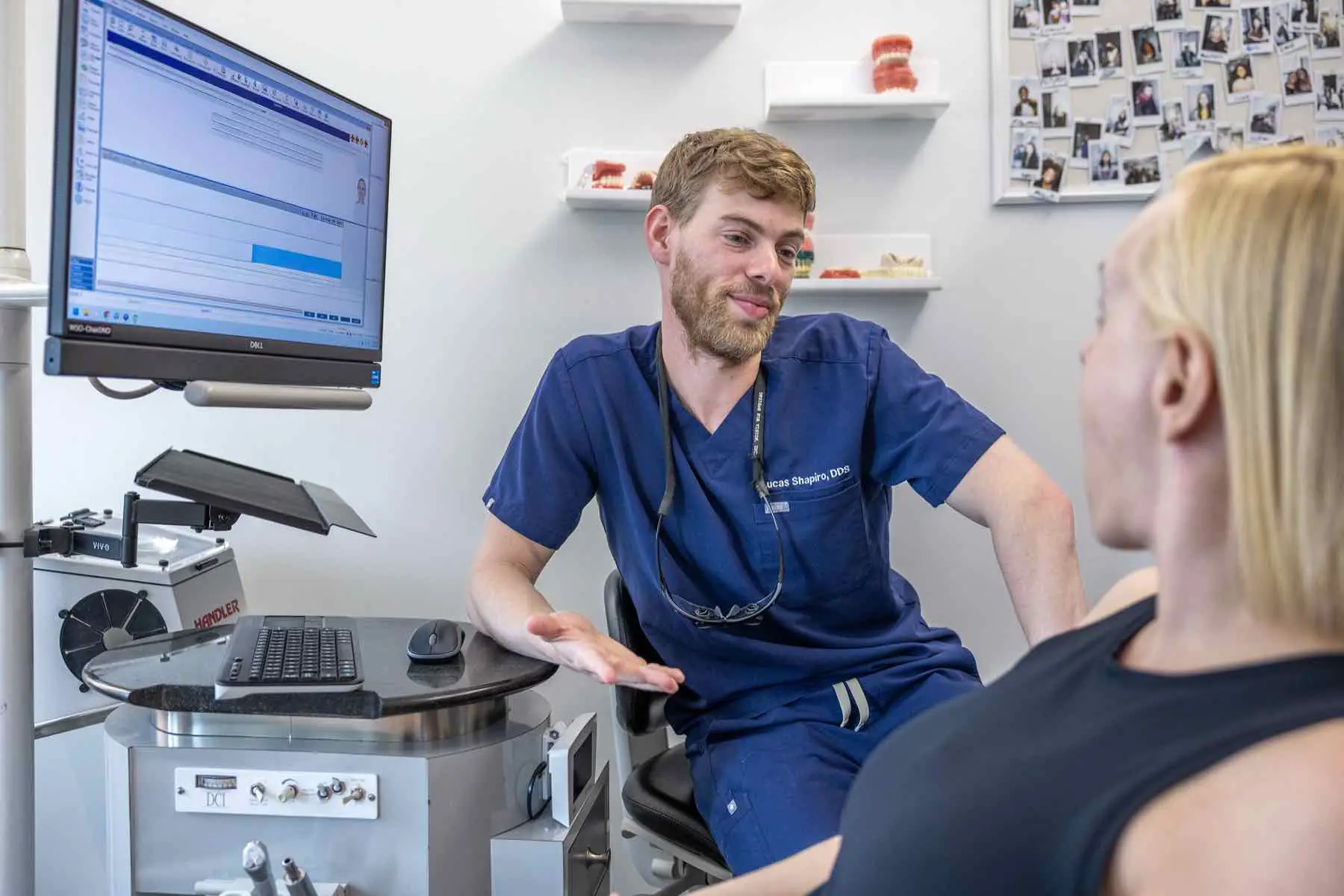
At Wall Street Orthodontics in the Financial District, Dr. Lucas Shapiro plans these cases together with experienced oral surgeons, so your orthodontic and surgical care stay coordinated from your first consultation through your final retainer check. Surgery is not the first answer for most patients, which is why every case begins with a diagnosis that shows whether a non-surgical option can do the job.
When Is an Appliance Not Enough?
In children, the suture in the middle of the palate is still open, so an expander can widen the jaw gradually. In adults that suture has often fused. Many adults can still be expanded without surgery using bone-anchored options such as MARPE or MSE, which are covered on our Expansion (Adult & Pediatric) page. Surgery comes into the picture when the skeletal problem is too large or too rigid for an appliance alone, or when the jaws themselves need to move. Common signs include:
- A narrow upper jaw with a crossbite that spans several teeth
- Imaging that shows a heavily fused palatal suture
- A recessed or protruding jaw that braces or aligners could only camouflage
- Breathing or sleep concerns tied to the structure of the jaws
- A prior expansion attempt that did not hold, or that you were told was not possible
What Is the Difference Between SARPE and SAPE?
SARPE (surgically assisted rapid palatal expansion) traditionally meant a surgical release of the palate combined with an expander anchored to the teeth. SAPE (surgically assisted palatal expansion) is the broader modern term. It covers surgical expansion with or without bone-borne anchorage, using several different surgical techniques.
How Traditional Tooth-Borne SARPE Works
With a tooth-borne expander, the appliance relies on the teeth for anchorage, so the palate has to be expanded rapidly. As the two halves of the palate separate, a large gap, called a diastema, opens between the front teeth. That gap can be difficult to close afterward. Tooth-borne anchorage also gives the orthodontist less control over how the upper jaw moves, and it may deliver fewer nasal airway benefits than other approaches.
How Modern SAPE Works
Modern SAPE can use bone-borne anchorage, where mini-implants grip the bone directly instead of relying only on the teeth. Surgical techniques also vary. Some are performed in a hospital, and others can be done in an office under local anesthesia. Depending on the technique, the nasal airway benefit may be larger or smaller, so the surgical approach matters as much as the appliance. For these reasons, our orthodontist no longer recommends SAPE with a tooth-borne appliance and looks to bone-borne anchorage when surgical assistance is needed.
When Is Jaw Surgery the Better Plan Than Camouflage?
Orthognathic surgery repositions the upper jaw, the lower jaw, or both. When a bite problem is skeletal, braces or aligners can sometimes compensate by tipping and flaring the teeth, but moving teeth long distances over long periods raises the risk of bone loss, root resorption, and bite problems. In many skeletal cases, correcting the jaw directly is the more conservative long-term plan, especially when airway or function is involved.
Surgery is not required for everyone. When there are no functional or breathing issues and a patient prefers to avoid surgery, careful dental compensation with braces or Invisalign can be a reasonable choice. The right answer depends on the diagnosis and on your goals.
How Do Extractions and Uprighting Fit Into Surgical Treatment?
Before jaw surgery, the teeth usually need to be upright over the bone so the bite fits together once the jaws are repositioned. Sometimes that involves removing premolars to create room. When extractions are well diagnosed, patients can finish with upright teeth and healthy breathing, and the surgical option stays available if it is ever needed. Our post on whether orthodontic extractions harm facial aesthetics explains why diagnosis comes first, and our guide to complex orthodontic cases shows how these decisions are made.
Can Jaw Surgery Help With Sleep Apnea?
A recessed chin does not mean a person has sleep apnea. But when a patient has sleep apnea and also has recessed jaws, moving the jaws forward can significantly improve the airway and, in some patients, resolve the condition. Sleep apnea is diagnosed by a sleep physician, and the orthodontic and surgical plan is coordinated with that medical evaluation. Learn more on our Sleep Apnea Treatment page.
Which Option Is Right for Me: MARPE, MSE, SAPE, or Jaw Surgery?
The best option depends on your age, skeletal maturity, bite, and airway. This table summarizes the main differences.
| Option | Surgery required | What it corrects | Typical candidate |
|---|---|---|---|
| MARPE | No | Width of the upper jaw, using mini-implants | Adults with a narrow upper jaw whose palate can still be expanded |
| MSE | No | Width of the upper jaw, using bone-anchored expansion | Adolescents and adults needing skeletal expansion |
| SAPE (modern SARPE) | Yes, a minor surgical step | Width of the upper jaw when the palate is too fused for an appliance alone | Skeletally mature adults or cases needing more expansion |
| Orthognathic jaw surgery | Yes | Position of the upper jaw, lower jaw, or both | Patients with a skeletal bite, facial balance, or airway problem |
In growing patients, the picture is different. Early Intervention can guide jaw development while growth is still possible, which may reduce the chance that surgery is needed later. Our Facegenics Midface Expander (FME) page covers another expansion option for midface constriction.
What Happens During Surgical Orthodontic Treatment?
- Diagnosis and imaging. We start with a clinical exam, 3D CBCT scanning to map your bone structure and airway, and digital impressions with iTero to record your bite.
- Planning with your oral surgeon. We share imaging, goals, and timing with the surgeon so the plan stays in sync, which is part of our interdisciplinary treatment approach.
- Orthodontics before surgery. Braces or aligners prepare the teeth and bite, often by uprighting the teeth over the bone and, in some cases, with extractions.
- Surgery. Your oral surgeon performs the procedure. The technique and setting vary, and the surgeon gives you specific guidance for recovery.
- Expansion or healing. After SAPE, the expander is activated gradually to widen the palate. After jaw surgery, the jaws heal and your bite settles into its new position.
- Finishing and retention. We fine-tune your bite with braces or Invisalign, then protect the result with retainers.
How Do Surgical Orthodontics and Airway Health Connect?
A narrow upper jaw can restrict nasal airway space and contribute to snoring, restless sleep, or Upper Airway Resistance Syndrome (UARS). That is why airway is part of the diagnosis in every surgical case, not an afterthought. Many adults exploring adult expansion start with a non-surgical option, and MARPE in New York City is often the first one we consider. When surgery is the better route, a well-planned SAPE or jaw surgery can open the airway while correcting the bite. Our Airway-Focused Orthodontics page and our post on airway-focused orthodontics in NYC explain how we evaluate breathing alongside the bite.
Why Choose Wall Street Orthodontics for Surgical Cases?
- Post-doctoral orthodontic training at Tufts University School of Dental Medicine, with a clinical focus that includes complex expansion cases
- Planning in partnership with oral surgeons, so every specialist is working from the same diagnosis
- 3D imaging used to evaluate your anatomy before any surgical path is recommended
- Consultations available in Spanish and French in addition to English
- A convenient Financial District location serving Lower Manhattan
Frequently Asked Questions About SARPE and Surgical Orthodontics in NYC
What is the difference between SARPE and SAPE?
SARPE traditionally refers to surgical palatal expansion with a tooth-borne expander. SAPE is the broader term that includes surgical expansion with or without bone-borne anchorage, and with different surgical techniques.
Do I need surgery to expand my upper jaw as an adult?
Not always. Many adults are candidates for non-surgical, bone-anchored expansion such as MARPE or MSE. A 3D CBCT scan shows how fused your palate is, which tells us whether surgical assistance is needed.
Does SARPE improve nasal breathing?
It can, but the amount of nasal airway benefit depends on the surgical technique and the type of expander. Tooth-borne approaches tend to offer fewer nasal airway benefits than other options.
Will I have a gap between my front teeth after surgical expansion?
A gap can form as the palate widens, and orthodontic treatment afterward closes it. Rapid expansion with a tooth-borne appliance tends to create a larger gap that is harder to close, which is one reason bone-borne anchorage is preferred in our planning.
Can jaw surgery cure sleep apnea?
For some patients who have both sleep apnea and recessed jaws, moving the jaws forward can significantly improve or resolve the condition. Whether it is the right option depends on your anatomy and on the other contributors to your sleep apnea, which a sleep physician helps evaluate.
How long does the full process take?
The process includes pre-surgical orthodontics, surgery, an expansion or healing period, and finishing orthodontics. Timelines vary by case, so we give you a specific estimate after reviewing your imaging and goals.
Where is the surgery performed?
Your oral surgeon performs the procedure. Depending on the technique, surgery may take place in a hospital or, for some techniques, in an office under local anesthesia.
Does insurance cover surgical orthodontics?
Coverage varies by plan and often depends on documentation of medical necessity. Our team can review your benefits with you, and you can find more on our Insurance & Financing page.
Schedule a Surgical Orthodontics Consultation
If you have been told you need surgery, or you want a second opinion on expansion or jaw surgery, we can review your imaging and explain your options in Lower Manhattan.