

Lingual Braces in NYC: Discreet Treatment in the Financial District
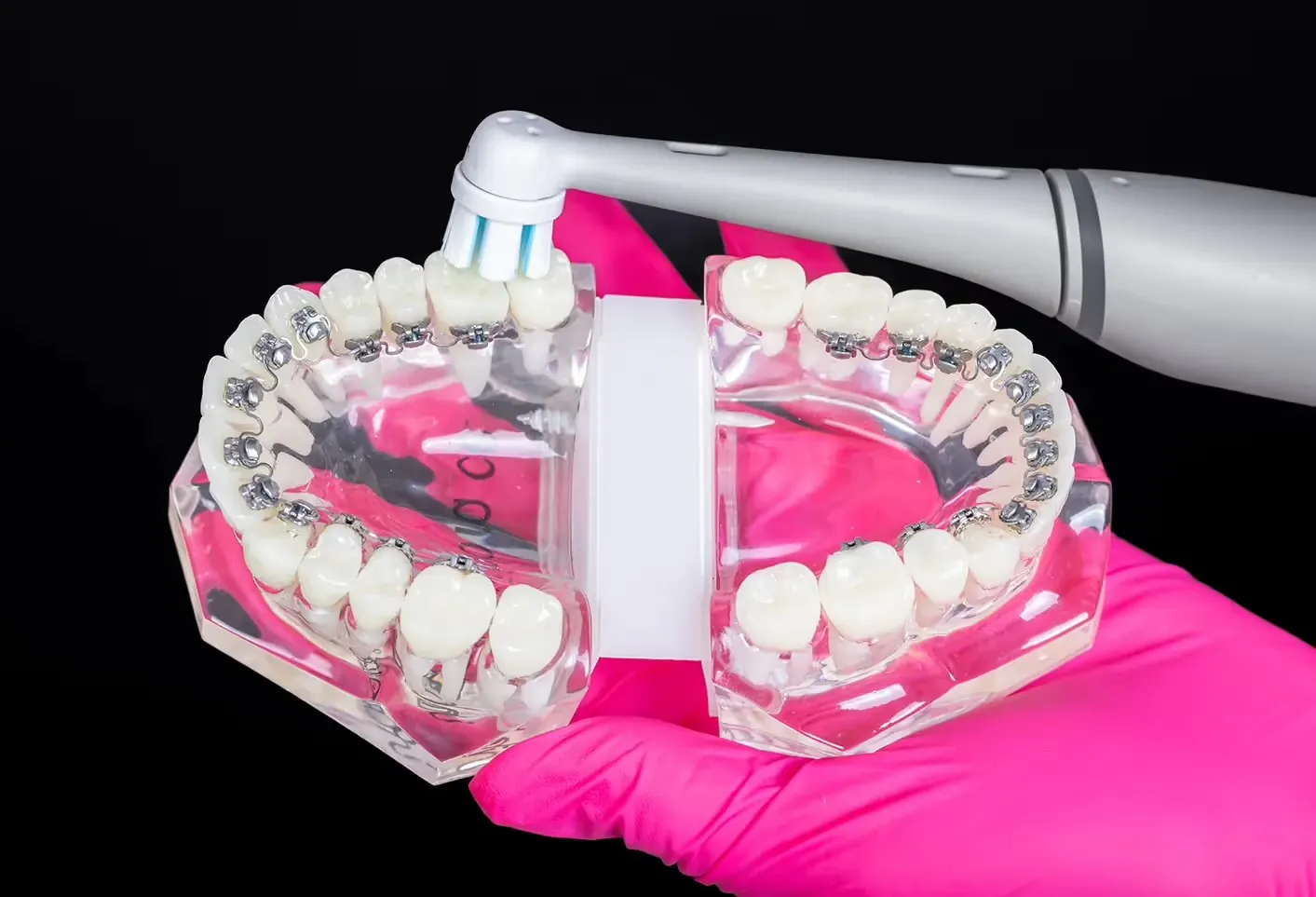
If your workday is full of client meetings and video calls, visible metal brackets probably aren't part of the plan. Lingual braces in NYC give you a way to straighten your teeth from behind, so the brackets sit on the back of your teeth instead of the front. At Wall Street Orthodontics, Dr. Lucas W. Shapiro, DDS speaks Spanish fluently and also works in French, Chinese, and Portuguese, so care communicates clearly no matter which language feels most comfortable to you. Every plan is explained step by step before treatment starts, so there are no surprises once your brackets are placed. As part of our discreet and hidden orthodontics options, lingual braces are built for professionals who want a fully hidden result without giving up precision.
Why Lingual Braces Work for NYC Professionals
When you're presenting to clients or sitting across the table in a Financial District boardroom, the last thing you want is a mouth full of visible metal. Lingual braces sit behind your teeth, so from the front, your smile looks like it always has. Nobody in your meetings, your gym class, or your next headshot needs to know treatment is happening at all.
This matters for more than just appearance. A lot of FiDi professionals have put off treatment for years because they didn't want to look like they were wearing braces at work. Lingual braces remove that trade-off. You get the same kind of tooth movement as traditional braces, just delivered from a spot nobody sees. Our FiDi patients often ask about discreet options for exactly this reason, and lingual braces are one of the most requested answers.
What Cases Are Best Suited for Lingual Braces
Lingual braces work well for a wide range of cases, including crowded teeth, gaps, and bite problems like overbites or underbites. Because each bracket is custom made to match the shape of the back of your teeth, they can handle more complex movement than some removable options. If you've been told your case is too involved for clear aligners, lingual braces are worth discussing with Dr. Shapiro. Some patients also consider C5 Hidden Orthodontics as another fixed, low-visibility option, and we'll help you compare both during your consultation.
What Happens If You Delay Treatment
Putting off treatment doesn't pause the problem. Crowding and bite issues tend to get worse over time, not better. Teeth can keep shifting, which makes future treatment take longer and sometimes cost more. Bite problems left untreated can also add strain on your jaw and make chewing or cleaning your teeth harder. Starting sooner, even with a discreet option like lingual braces, generally means a simpler path to a straighter smile.
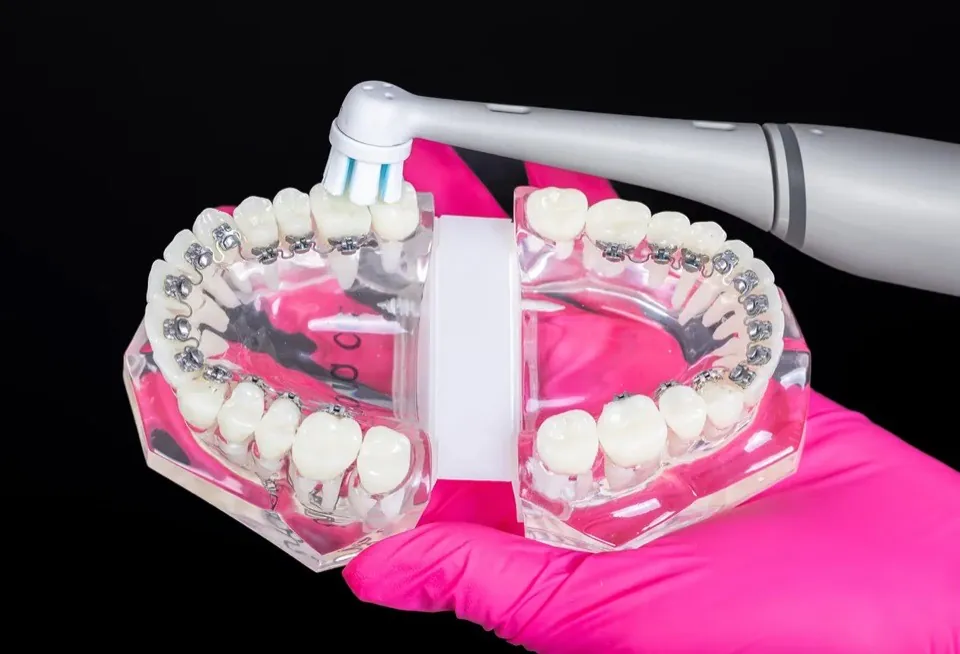
Lingual Braces vs. Invisalign: Choosing the Right Discreet Option
Lingual braces and Invisalign are both popular with patients who want discreet treatment, but they work differently. The table below breaks down how they compare so you can see which one fits your case and your daily routine.
| Feature | Lingual Braces | Invisalign |
|---|---|---|
| Visibility | Fully hidden behind teeth | Nearly invisible, removable |
| Removability | Fixed throughout treatment | Removable by patient |
| Case complexity | Handles complex bite/crowding cases | Best for mild-to-moderate cases |
| Compliance required | None, it's a fixed appliance | High, must wear 20 to 22 hours a day |
| Dietary restrictions | Some adjustments needed | None |
| Cleaning | Requires adapted brushing/flossing technique | Easy, just remove to clean |
| Typical NYC patient fit | Professionals who want zero visibility, no compliance burden | Patients who prefer flexibility and removability |
If your case is more complex, or you'd rather not worry about remembering to wear aligners, lingual braces tend to be the better fit. If your case is milder and you want the option to take your appliance out for dinner or a big presentation, Invisalign might make more sense. Dr. Shapiro will help you weigh both during your first visit. For a deeper side-by-side look, our blog post comparing lingual braces and Invisalign covers additional detail patients often ask about.
What to Expect with Lingual Braces at Wall Street Orthodontics
Treatment starts with a full exam so Dr. Shapiro can see exactly what your teeth and bite need. From there, we build a plan that's designed for your life, not a generic template. That's why so many professionals searching for lingual braces NYC choose Wall Street Orthodontics: the plan is personalized, explained clearly, and built around your schedule.
Your First Lingual Braces Appointment
Your first visit includes a clinical exam and digital impressions using our iTero scanner, which captures a precise 3D map of your teeth without the messy putty trays some patients remember from childhood. Dr. Shapiro walks through your treatment plan in plain language, including what to expect at each stage, so you leave knowing exactly what's next.
Life with Lingual Braces Day-to-Day
Most patients notice a short adjustment period where speech feels a little different, usually easing up within one to two weeks as the tongue gets used to the brackets. Cleaning takes a slightly different technique since the brackets sit behind your teeth, and we'll show you exactly how during your appointments. Some foods need a little more caution early on, similar to traditional braces. Regular adjustment visits keep things moving on schedule, and if your appointment is booked for a certain time, that's when you'll be seen. We respect that your time in the Financial District is limited.
Lingual Braces at Wall Street Orthodontics
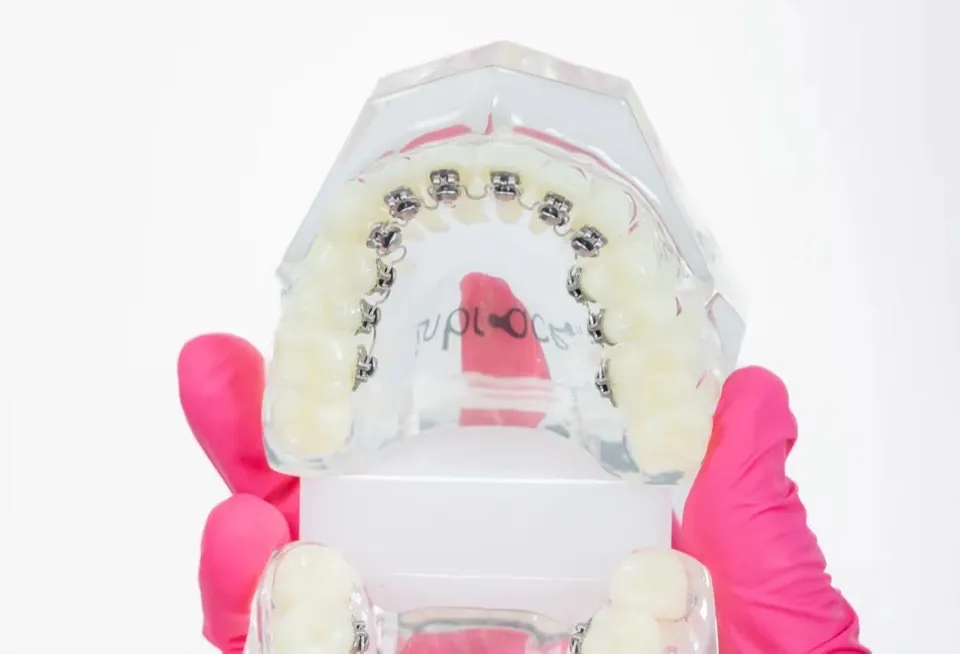
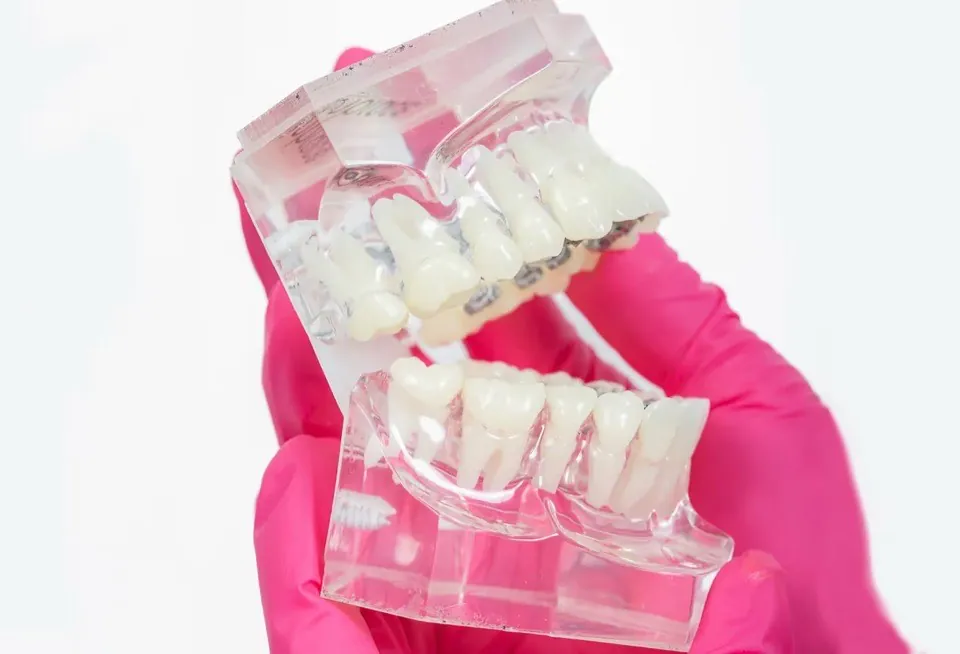
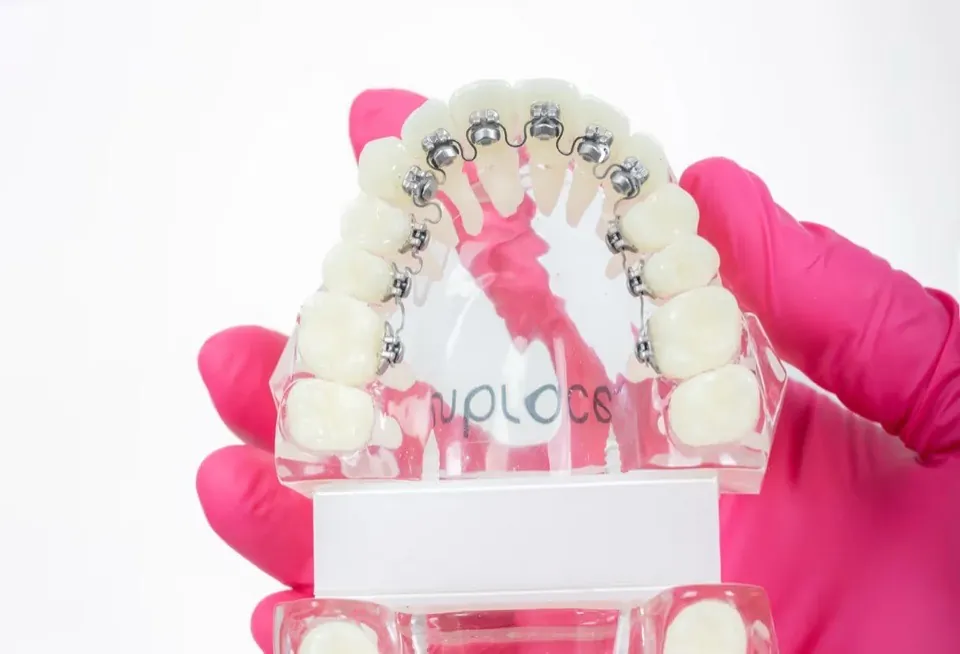
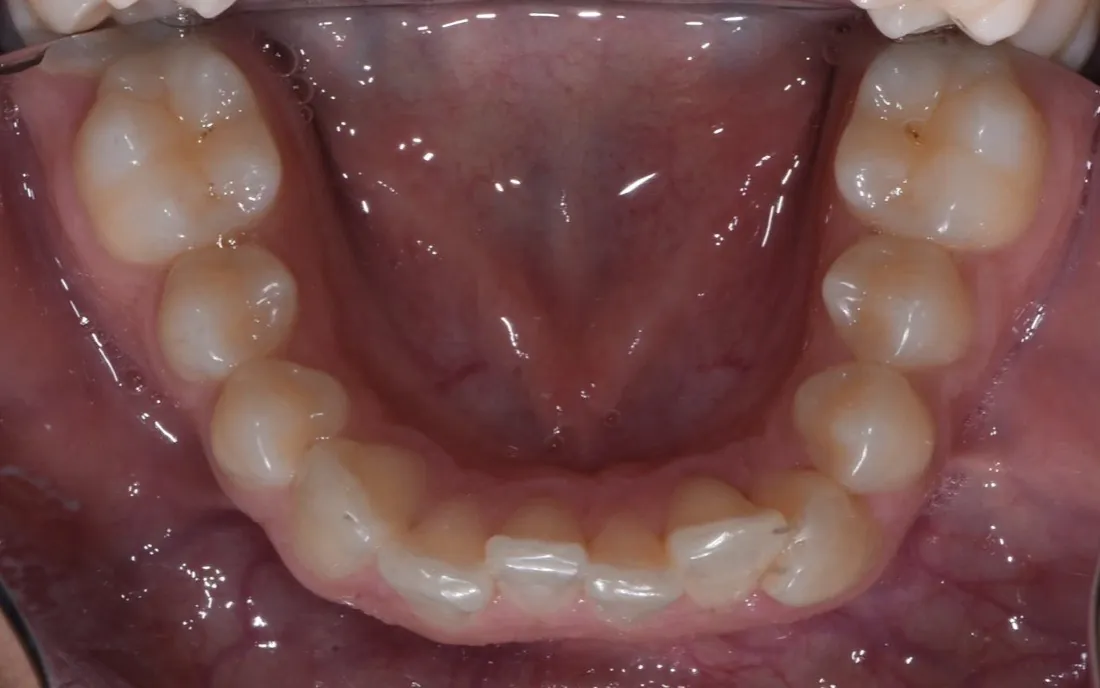
The first comparison below is a finished result. The other three show the appliance itself: a start-of-treatment photo against the same arch with the lingual brackets bonded in place, which is what the practice publishes for this treatment. Drag the handle across a photo to move between the two stages.
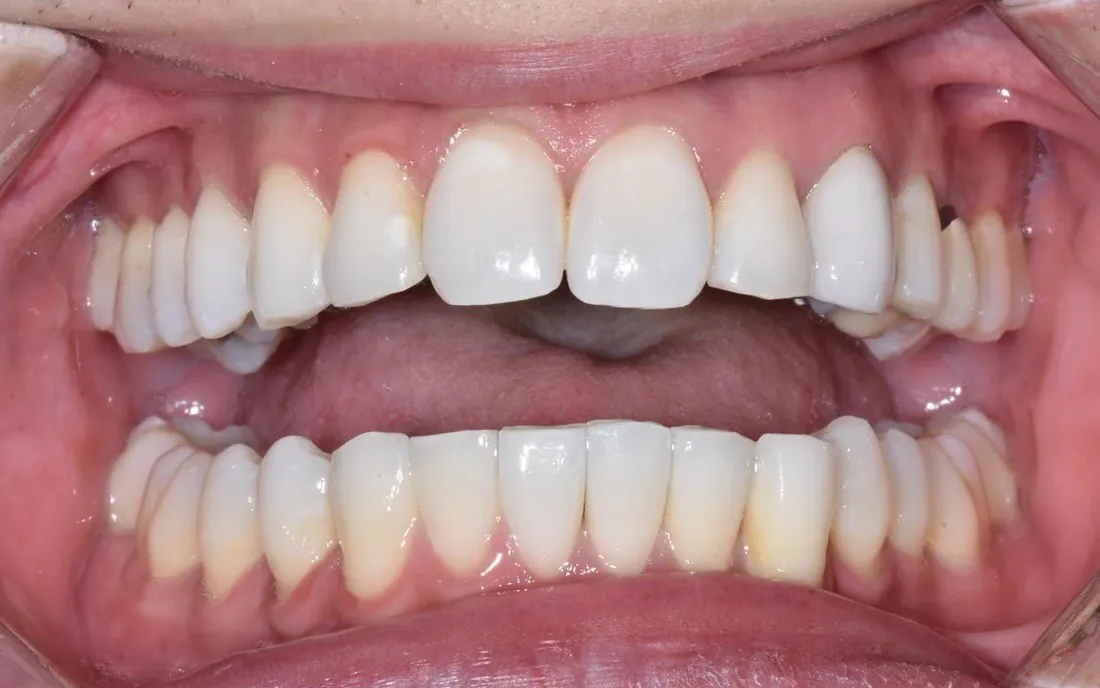 After
After 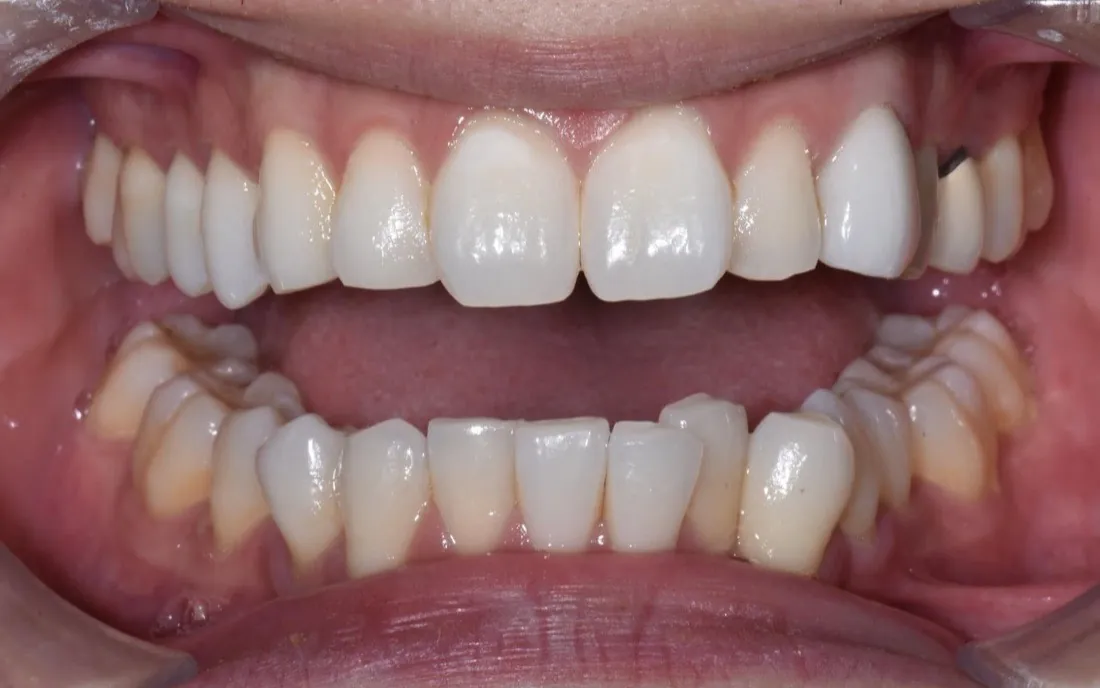 Before
 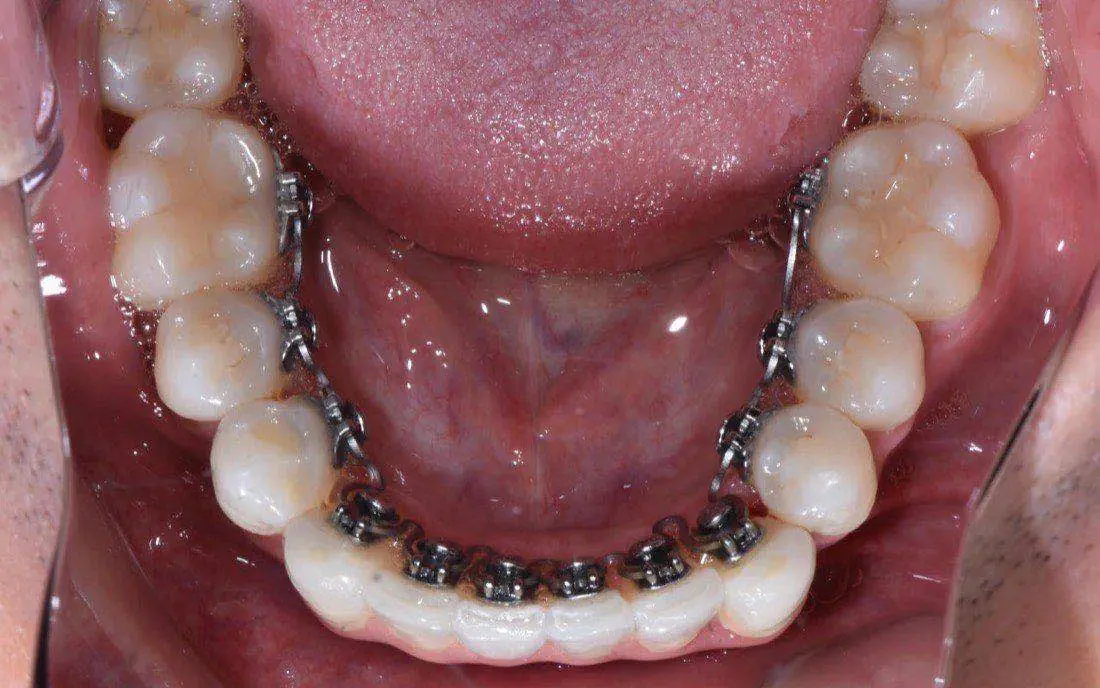 In treatment
 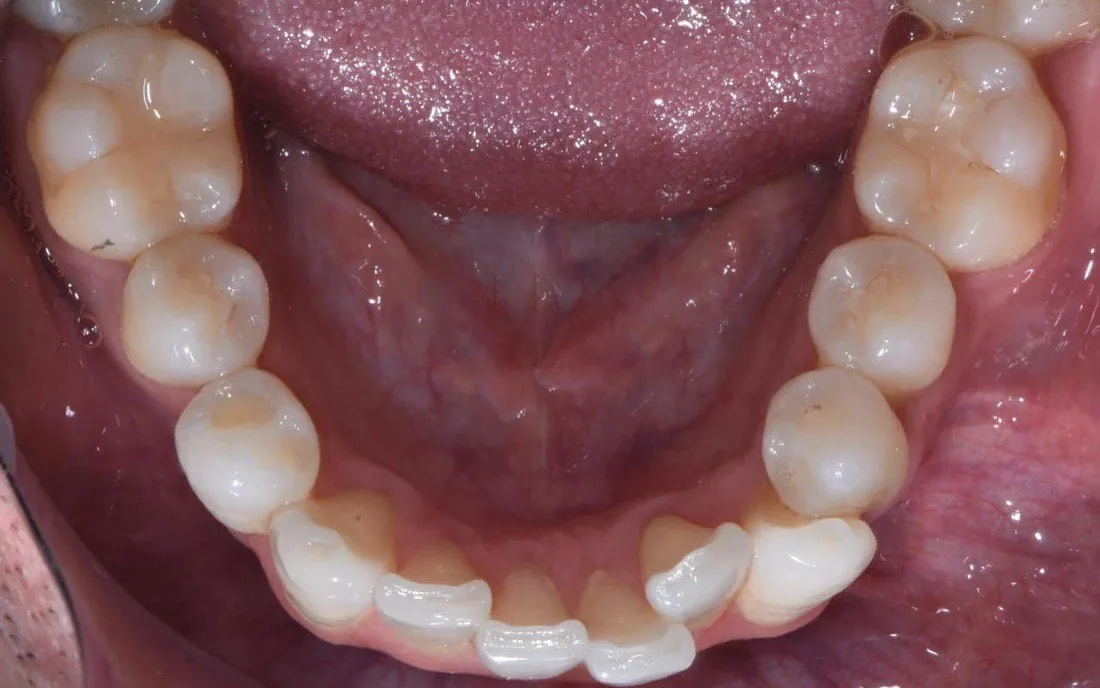 Before
 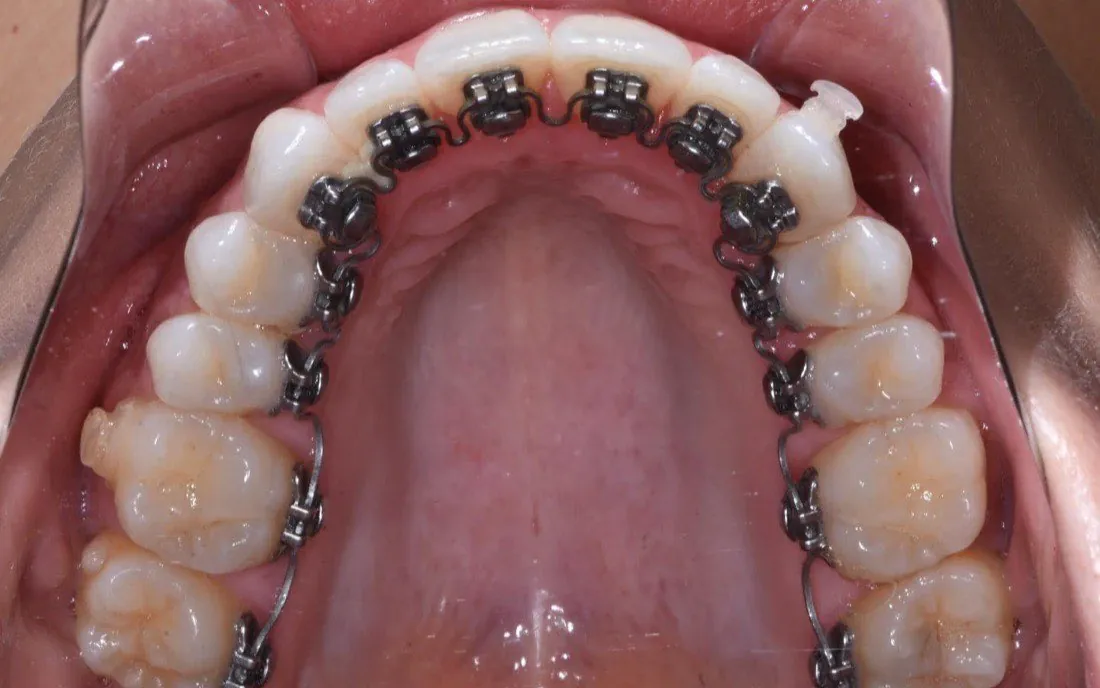 In treatment
 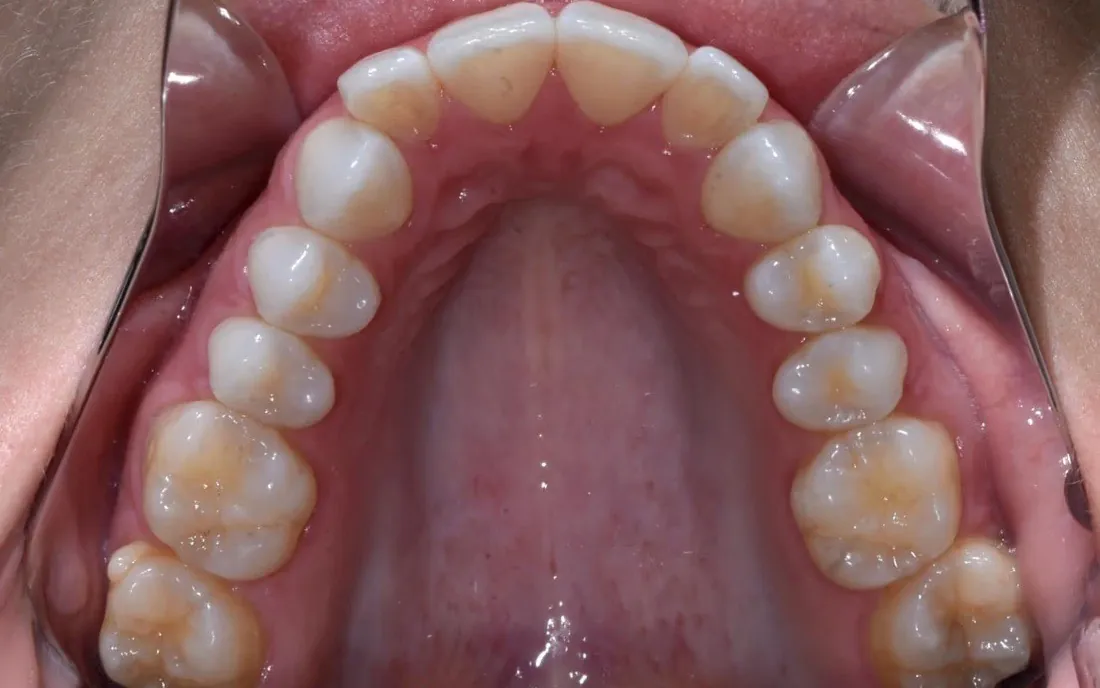 Before
 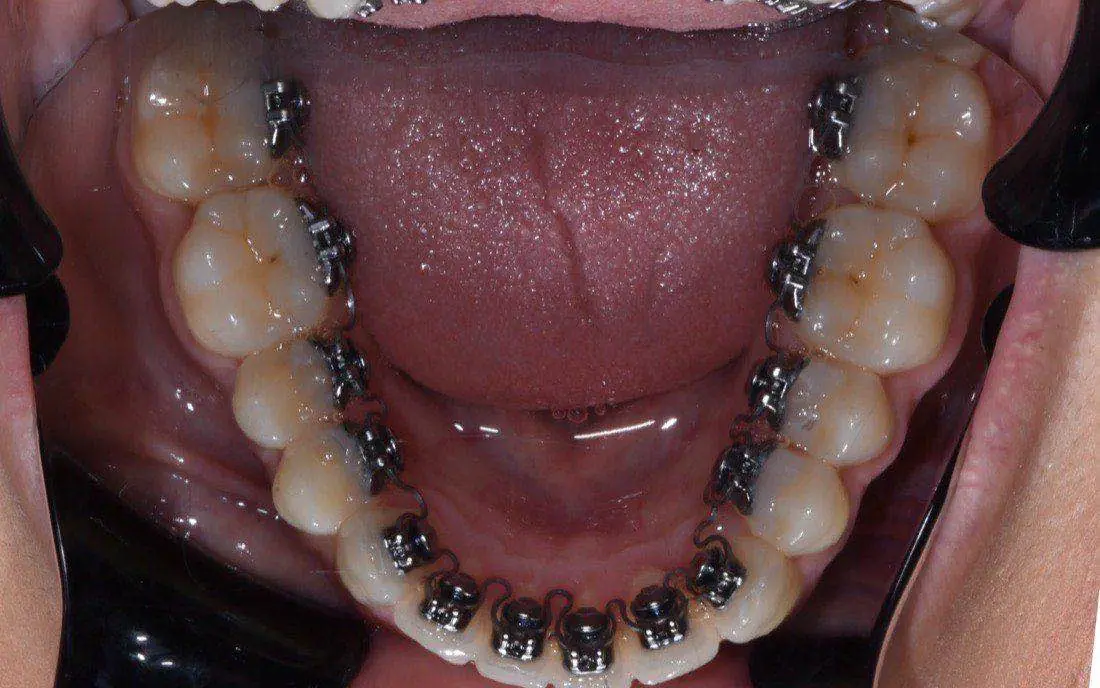 In treatment
  Before
 More treated cases across every treatment we offer are in the smile gallery.
Frequently Asked Questions About Lingual Braces in NYC
Are lingual braces more expensive than traditional braces?
Lingual braces usually cost more than traditional braces because each bracket is custom made to fit the back of your teeth. Dr. Shapiro will walk you through your specific treatment plan and costs during your consultation so there are no surprises.
How long does lingual braces treatment take?
Treatment time depends on how much your teeth need to move, but most lingual braces cases run in a similar range to traditional braces. Your exact timeline gets mapped out at your first visit, so you know what to expect from day one.
Do lingual braces affect speech?
Many patients notice a slight lisp for the first one to two weeks while the tongue adjusts to the brackets on the back of the teeth. Speech typically returns to normal quickly as you get used to the appliance.
Are lingual braces right for complex orthodontic cases?
Yes. Lingual braces can handle significant crowding and bite problems, similar to traditional braces, which makes them a strong option for adults with more involved cases who still want a hidden treatment.
Can I get lingual braces as an adult?
Absolutely. Lingual braces are one of the most requested options among adult patients at Wall Street Orthodontics because they let you straighten your teeth without any visible hardware on the front of your smile.

Straighten Your Smile Without Anyone Noticing at Work
Ready to get started on treatment that keeps your professional image completely intact?