

Early Orthodontic Treatment for Children in NYC
If you're looking into early orthodontic treatment in NYC for your child, Wall Street Orthodontics welcomes new patients from FiDi, Tribeca, and Battery Park City for a first evaluation. Dr. Lucas Shapiro reviews your child's bite and jaw growth in plain language, walks you through what he sees, and lays out a transparent plan before any treatment begins. Because he speaks Spanish fluently and communicates in French and Chinese, families across Lower Manhattan can talk through their child's care without a language barrier getting in the way. An early check-in doesn't mean your child needs braces right away. It simply means you'll know where things stand.
Why Early Orthodontic Treatment Makes a Difference
A child's jaw is still growing during the elementary school years, which gives an orthodontist a window to guide that growth instead of just fixing crowded teeth later on. Early orthodontic treatment, often called Phase 1 orthodontics, uses this window to create room, correct bite problems, and set up a smoother path for adult teeth. Not every child needs it, but for the ones who do, timing matters.
Signs Your Child May Benefit from Phase 1 Orthodontics
Watch for teeth that come in very crowded or crooked, an upper and lower jaw that don't line up when your child bites down, a top jaw that looks narrow, thumb-sucking that's lasted past age five, or mouth breathing and snoring at night. Losing baby teeth much earlier or later than classmates is also worth mentioning at a visit. None of these signs mean treatment is automatic, but they're good reasons to have Dr. Shapiro take a look.
What Happens If Early Intervention Is Delayed
Waiting past the ideal window doesn't always cause harm, but for some children it can let a smaller problem grow into a bigger one. A narrow jaw may not create enough space for adult teeth, leading to more crowding down the road. A bite that's off can shift how the jaw grows, sometimes making the discrepancy more noticeable by the teen years. When these issues are addressed later instead of early, treatment can take longer, involve more appliances, and cost more overall than it would have with a timely first evaluation. This isn't about urgency or fear. It's simply easier to guide a jaw that's still growing than to correct one that's finished.
Benefits of Starting Phase 1 Orthodontics in Lower Manhattan
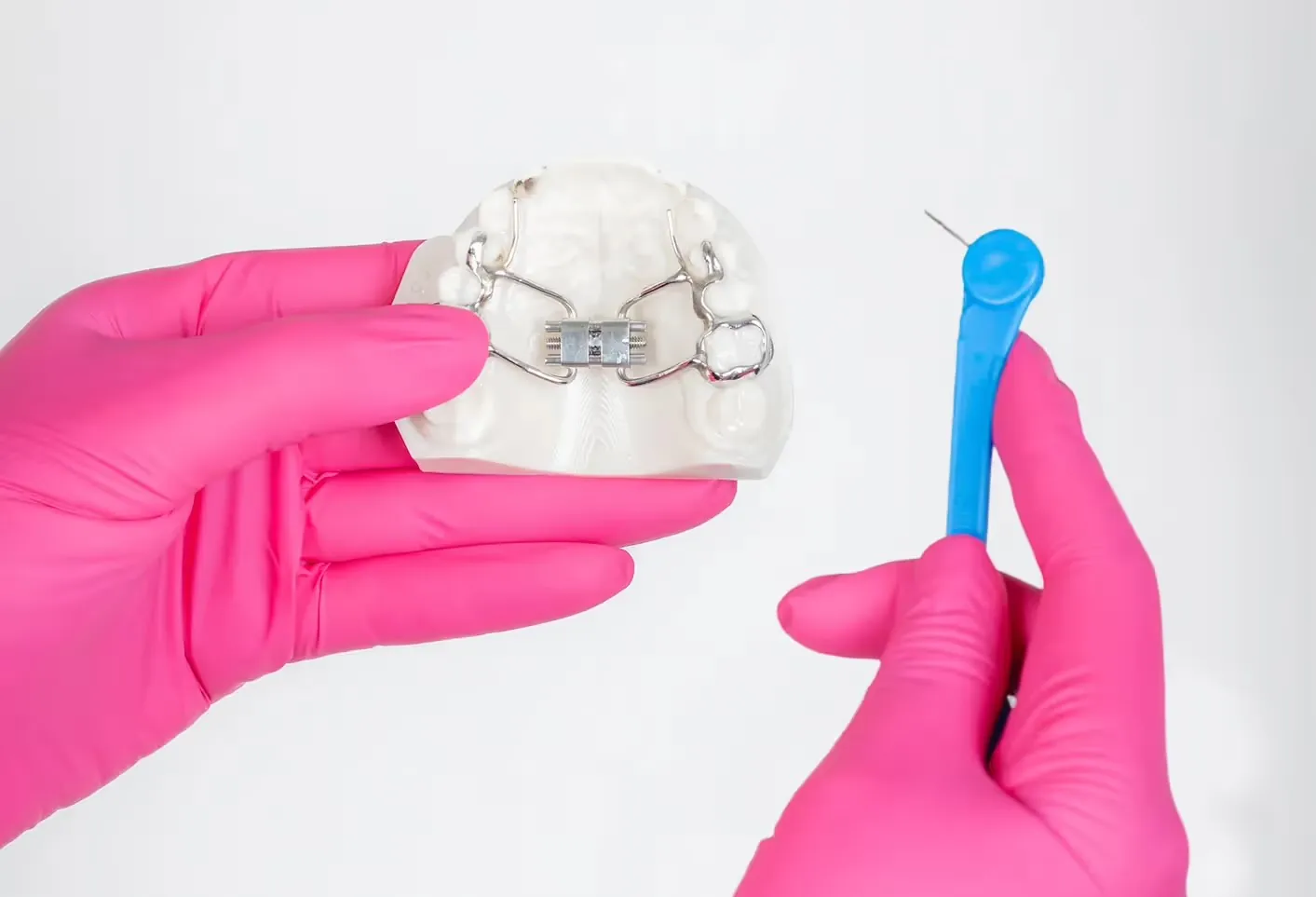
Starting early gives Dr. Shapiro more tools to work with while your child's bones are still flexible. Guiding jaw growth at this stage can create space for crowded teeth to come in on their own, which sometimes shortens or simplifies treatment later. In cases where the upper jaw is narrow, early expansion can widen it gradually, well before adult teeth are permanently set. For families thinking beyond straight teeth, early intervention can also support healthier breathing patterns. Dr. Shapiro looks at airway development as part of his evaluation, and where it's clinically relevant, connects families with our airway-focused orthodontics approach. This whole-health view is part of what sets our expansion and advanced treatment options apart from a strictly cosmetic approach.
What to Expect at Wall Street Orthodontics
Your Child's First Visit and Evaluation
The first visit is unhurried and built around getting a clear picture of your child's growth. Dr. Shapiro examines the bite, checks jaw alignment, and may use digital imaging to see how things are developing beneath the surface. You'll leave with a straightforward answer: whether treatment makes sense now, whether it's better to wait and monitor, or whether everything looks on track. There's no pressure to start anything on the spot.
Phase 1 Treatment Timeline and What Comes Next
When Phase 1 treatment is recommended, it typically runs for several months to guide growth or create space, followed by a period where Dr. Shapiro simply keeps an eye on things as adult teeth come in. Some children need a second, shorter phase of treatment once all their adult teeth have arrived. Others need little or nothing further. Either way, you'll get a clear explanation of what to expect at every step, so there are no surprises along the way.
Serving Families in FiDi, Tribeca, and Battery Park City
Our office sits at 111 Broadway, an easy stop for families commuting through the Financial District, whether you're coming from a Tribeca school pickup or a Battery Park City apartment. Many parents book appointments around a workday or school schedule, and our team works to keep visits efficient so you're not losing more time than necessary. Families from SoHo and Brooklyn Heights also make the trip in for the same reason many neighbors do: a practice that treats their child's growth carefully and explains every step along the way.
Phase 1 Results from Our Financial District Practice
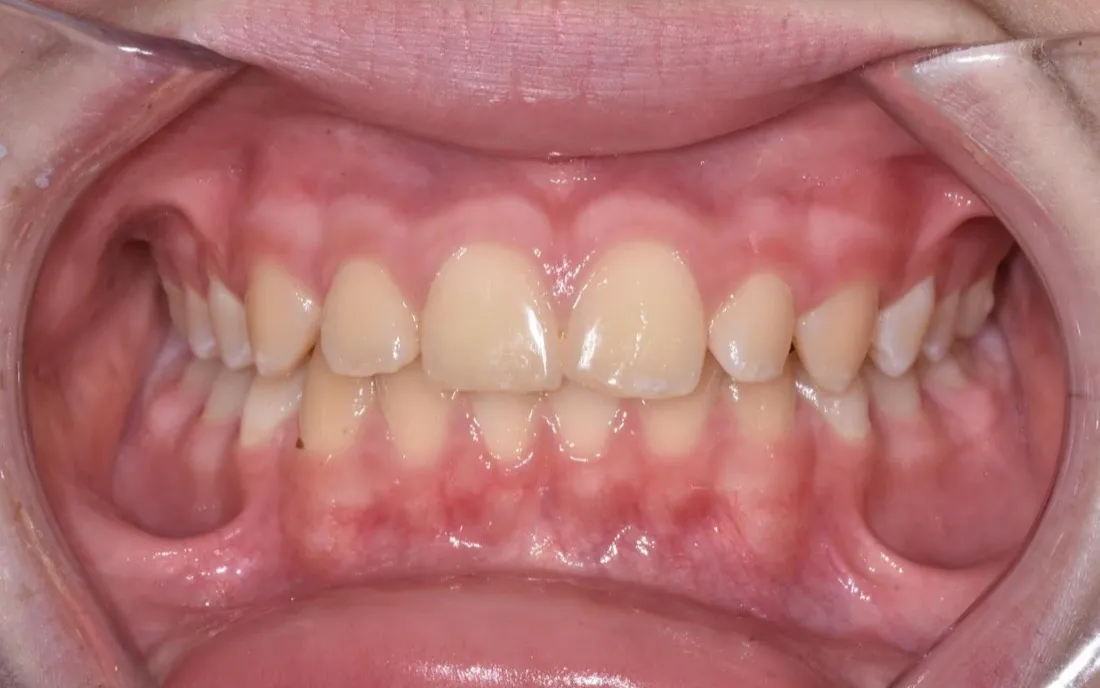
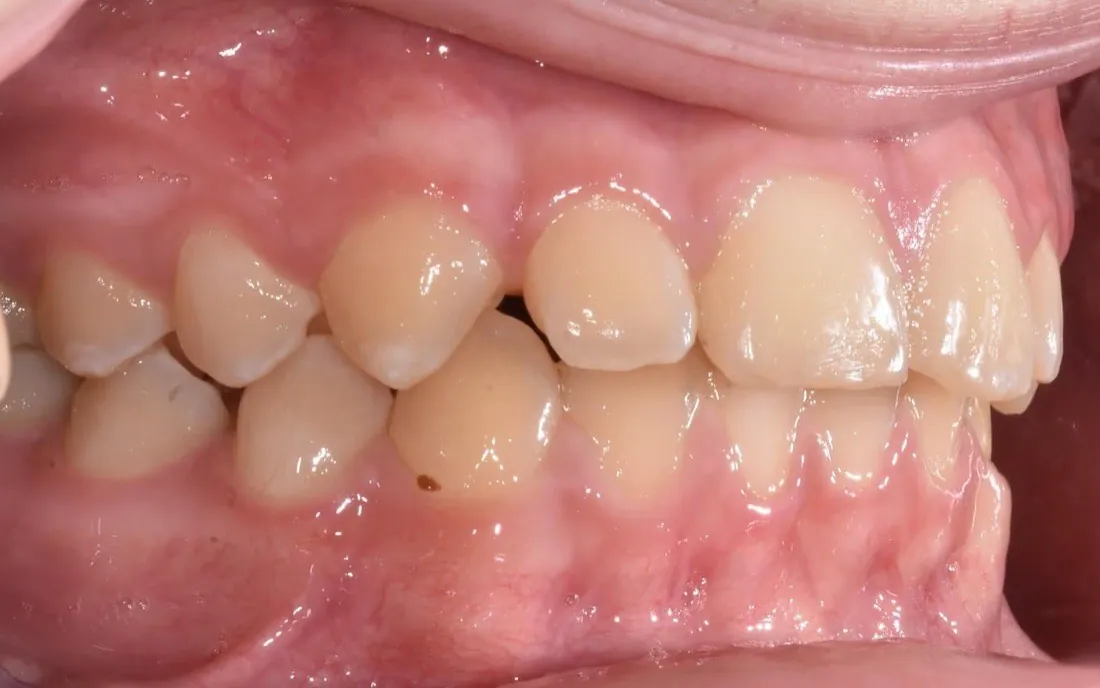
Both cases below are Wall Street Orthodontics patients treated with early intervention, each shown in two views. Drag the handle across a photo to move between before and after.
 After
After 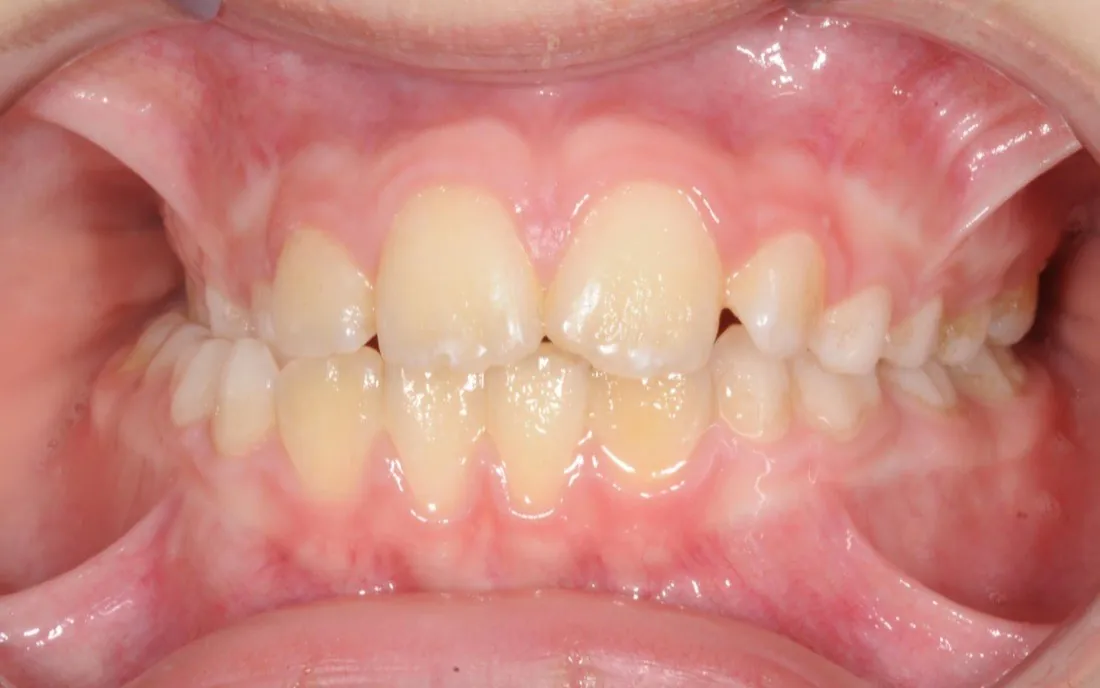 Before
  After
After 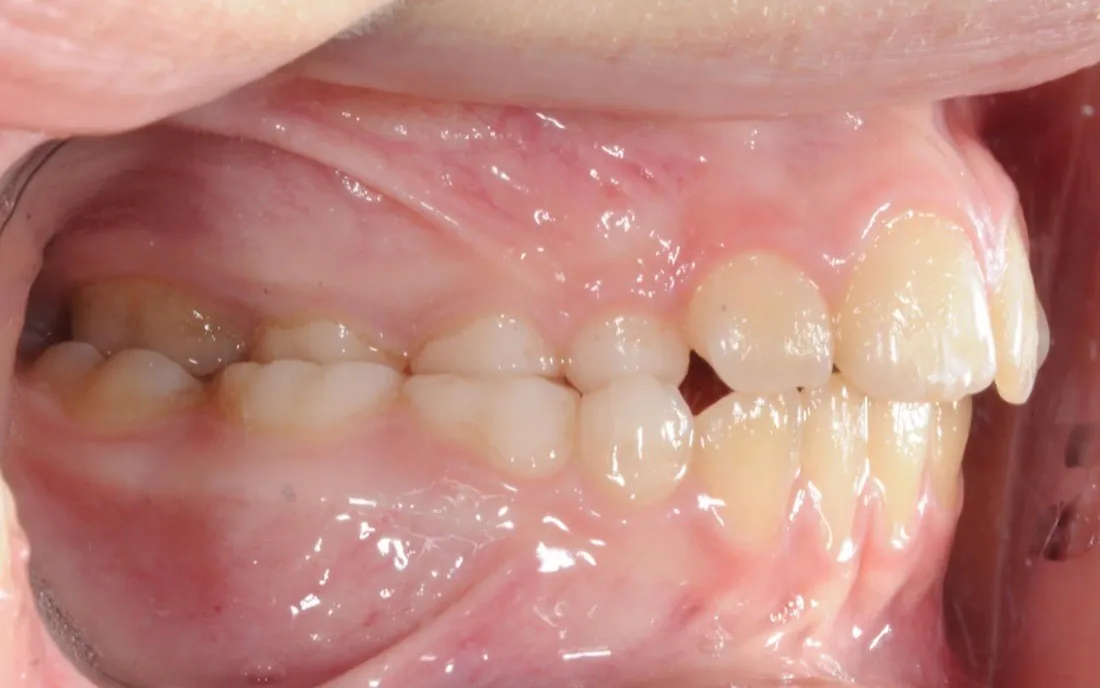 Before
 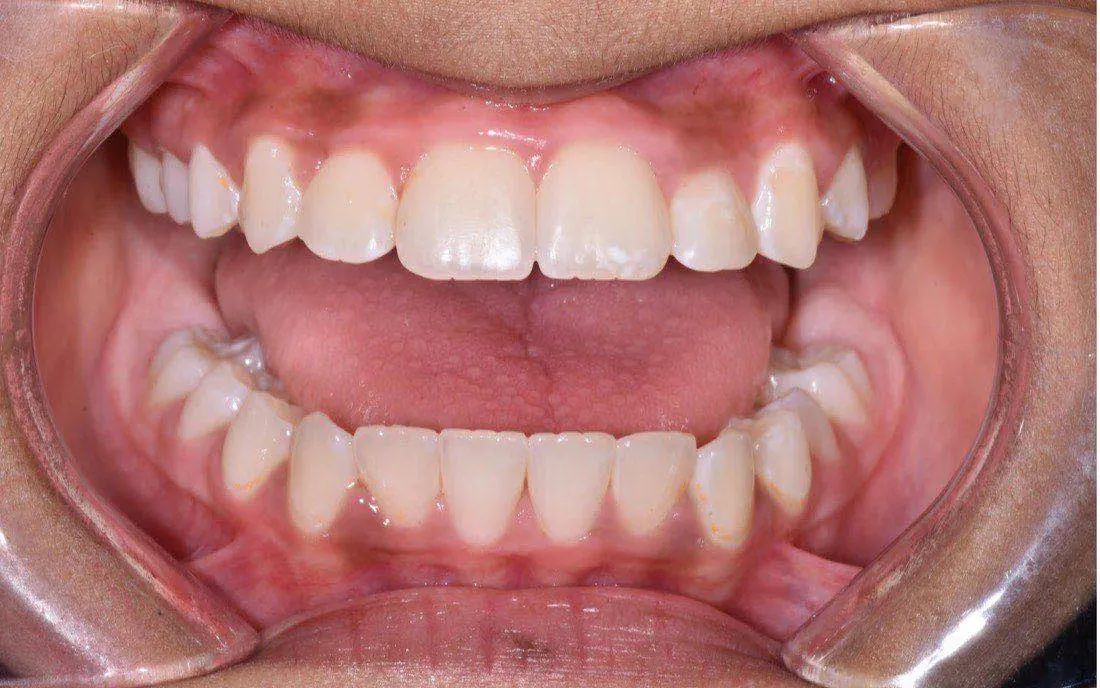 After
After 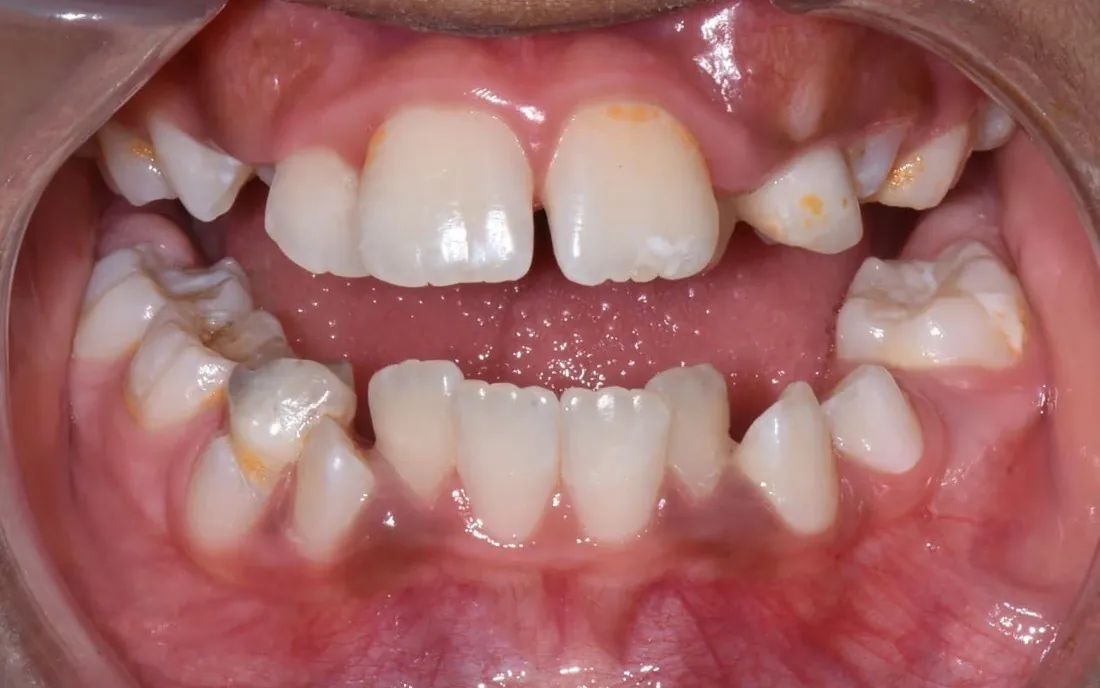 Before
 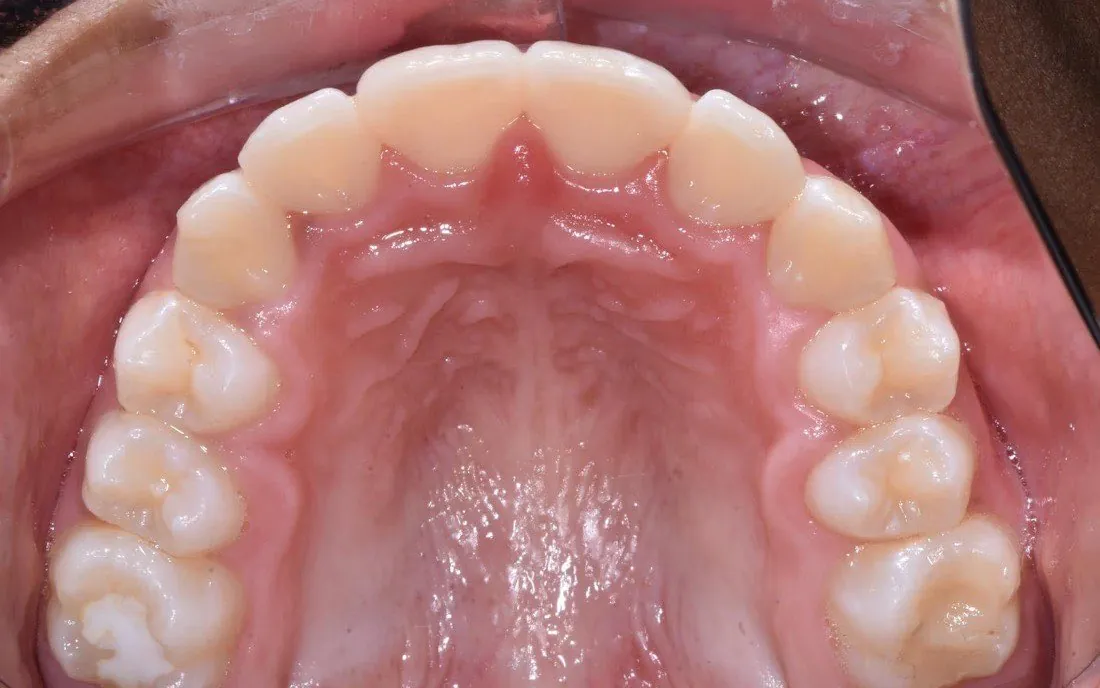 After
After 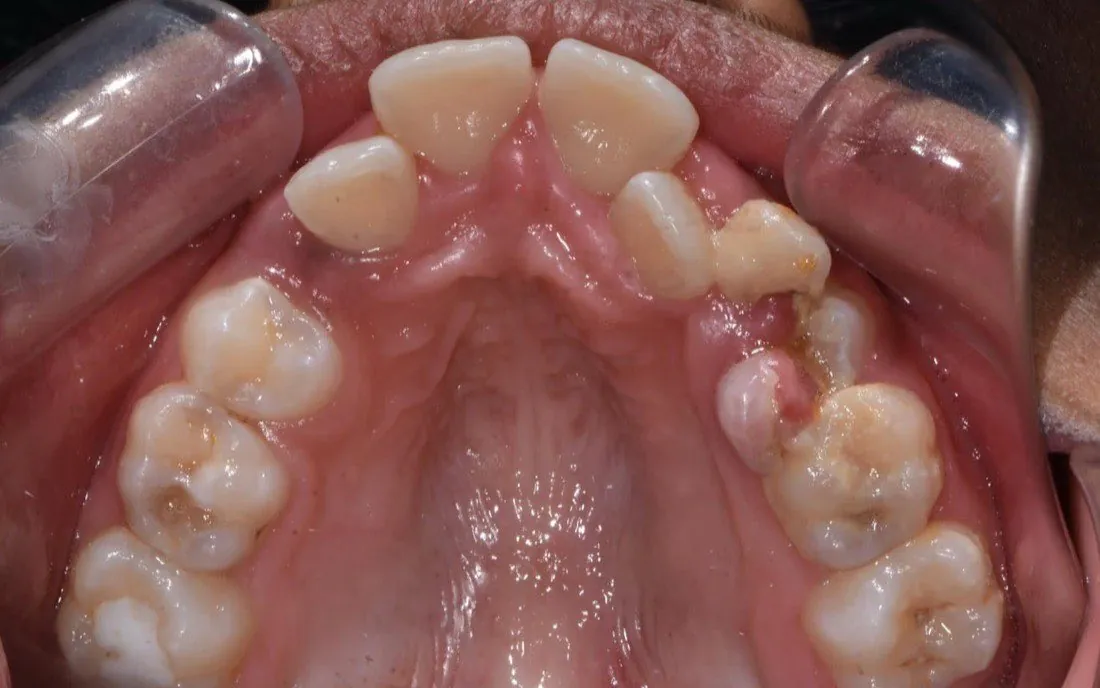 Before
 More treated cases across every treatment we offer are in the smile gallery.
Frequently Asked Questions About Early Orthodontic Treatment
At what age should a child have their first orthodontic evaluation?
Most orthodontic groups recommend a first evaluation by age seven. At this age, Dr. Shapiro can spot early signs of crowding, bite problems, or jaw growth issues while the jaw is still developing and easier to guide.
What is Phase 1 orthodontics and how is it different from full treatment?
Phase 1 orthodontics treats a child while baby and adult teeth are still mixed, usually focusing on jaw growth and making room for permanent teeth. Full treatment, sometimes called Phase 2, happens later once all adult teeth have come in and typically straightens the teeth themselves.
How long does early intervention treatment typically take?
Phase 1 treatment usually lasts between 9 and 18 months, depending on what your child needs. After that, there is often a resting period where Dr. Shapiro simply monitors growth until it's time to decide on Phase 2.
Does my child definitely need Phase 2 treatment after Phase 1?
Not always. Some children finish Phase 1 with enough correction that a shorter or simpler Phase 2 is needed later, and a few need no further treatment at all. Dr. Shapiro will let you know what to expect as your child's adult teeth come in.
Does Wall Street Orthodontics accept insurance for children's orthodontic care?
Wall Street Orthodontics works with families to explain coverage and payment options during your child's first visit. Ask our team about your specific plan, and visit our insurance and financing page for more details. Want more background before you book? Our blog post on early orthodontic treatment for your child walks through common questions parents ask before their child's first visit.
Give Your Child's Smile the Right Start at the Right Time
Deciding whether now is the right moment for an evaluation doesn't have to feel complicated. Dr. Shapiro and our team are ready to walk you through what your child's growth looks like today and what, if anything, makes sense next.