


Sleep Apnea Treatment in NYC at Wall Street Orthodontics
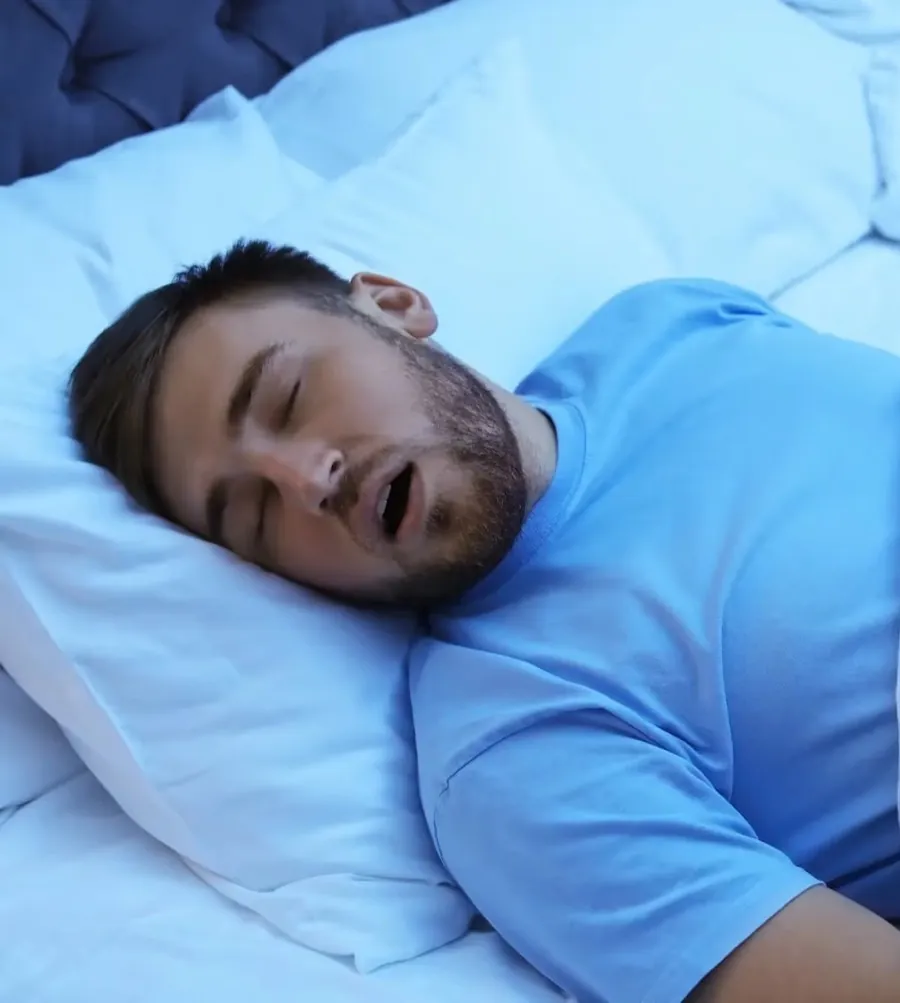
If you've been told you have sleep apnea, or you snore heavily and wake up tired no matter how much you sleep, you may already be looking into sleep apnea treatment in NYC that doesn't involve a CPAP machine. At Wall Street Orthodontics in the Financial District, Dr. Lucas W. Shapiro treats sleep apnea using custom oral appliances that reposition your jaw to help keep your airway open at night. New patients are always welcome, and Dr. Shapiro provides care in Spanish, French, Chinese, and Portuguese, so you can talk through your treatment in the language you're most comfortable with. If snoring, daytime fatigue, or a recent sleep study has you searching for answers, give us a call to talk about whether an oral appliance fits your situation.
Why an Orthodontist Treats Sleep Apnea
Orthodontists don't just straighten teeth. Many, including Dr. Shapiro, study how the jaw, tongue, and airway work together. When the lower jaw sits too far back or the airway is narrow, the soft tissue in your throat can collapse during sleep and block airflow. This is one of the main causes of obstructive sleep apnea. Because orthodontists are trained to read jaw structure and bite relationships, they are well positioned to design appliances that move the jaw forward and open the airway. This is part of our broader airway-focused orthodontics approach, which looks at breathing and sleep alongside tooth alignment. It also connects to jaw joint health, which is why we often coordinate sleep apnea care with our TMJ therapy services for patients who have jaw pain too.
How Mandibular Advancement Devices Work
A mandibular advancement device, or MAD, is a custom-made oral appliance you wear at night. It fits over your upper and lower teeth, somewhat like a retainer, and gently holds your lower jaw slightly forward. This position helps keep your tongue and soft tissue from falling back into your throat while you sleep, which can reduce airway blockages. We adjust the device gradually so your jaw has time to settle into the new position comfortably.
Who Is a Candidate for Orthodontic Sleep Apnea Treatment
Mandibular advancement devices tend to work best for patients with mild to moderate obstructive sleep apnea, or for patients who have been diagnosed but can't tolerate a CPAP mask. A sleep study from your physician or a sleep specialist confirms the diagnosis before we begin. From there, we evaluate your teeth, jaw, and airway to see if a device is a good clinical fit for you. We coordinate closely with your physician throughout treatment, since we don't diagnose sleep apnea ourselves, we treat it in partnership with your medical team.
Benefits of Sleep Apnea Treatment at Wall Street Orthodontics
Choosing Wall Street Orthodontics for sleep apnea orthodontics in the Financial District means care built around precision and comfort. We use 3D CBCT scanning to get a detailed, three-dimensional view of your airway and jaw before we design a device, so treatment is planned around your own anatomy instead of guesswork. Dr. Shapiro takes the time to walk you through every step, so there are no surprises about how the device works or what to expect from it. Our Financial District office is easy to reach before or after work, and care is available in Spanish, French, Chinese, and Portuguese for a diverse Lower Manhattan patient base. This is part of a wider set of whole-health and specialty services we offer alongside orthodontic treatment.
What to Expect During Sleep Apnea Treatment in NYC
Your First Appointment
Your first visit starts with a conversation about your sleep history, any diagnosis you already have, and your goals for treatment. We take a 3D CBCT scan to look closely at your airway, jaw position, and bite. Dr. Shapiro reviews the images with you in plain language, explains whether a mandibular advancement device is a good option, and answers your questions before any treatment begins.
Ongoing Care and Adjustments
Once your device is made, we schedule follow-up visits to check fit and comfort and make small adjustments as needed. Your jaw may need a few gentle changes in the first weeks as it adapts to the new position. We stay in touch with your physician or sleep specialist so everyone involved in your care has the full picture.
Risks of Leaving Sleep Apnea Untreated
Untreated sleep apnea does more than leave you tired. Repeated drops in oxygen during the night can strain your heart and raise the risk of high blood pressure and other cardiovascular problems over time. Daytime fatigue can also affect concentration, mood, and safety behind the wheel. Many patients don't realize sleep apnea is linked to teeth grinding too, since the body sometimes clenches the jaw as it tries to reopen a blocked airway. We cover this connection in more detail in our post, Can Sleep Apnea Cause Teeth Grinding?. Talking with your physician and exploring treatment early can help you avoid these downstream effects.
Frequently Asked Questions About Sleep Apnea Treatment
Is a mandibular advancement device covered by insurance?
Coverage depends on your specific insurance plan and diagnosis.
How is orthodontic sleep apnea treatment different from a CPAP machine?
A CPAP machine uses air pressure through a mask to keep your airway open, while a mandibular advancement device is a smaller oral appliance that repositions your jaw. Some patients find a device easier to wear consistently, especially if they've struggled with a CPAP mask. Your physician can help you decide which approach, or combination of approaches, fits your diagnosis best.
Can sleep apnea cause teeth grinding?
Yes, sleep apnea and teeth grinding are often connected. When your airway narrows during sleep, your body may clench or grind your jaw as it works to reopen it. This is a common pattern we see in patients who come to us for both concerns.
Do I need a referral to see an orthodontist for sleep apnea in NYC?
You don't need a formal referral to schedule a consultation with us, but you will need a sleep study or diagnosis from a physician or sleep specialist before we can begin device treatment. We're glad to talk with you first about whether orthodontic treatment might fit your situation.
Breathe Easier With a Personalized Plan for Your Sleep
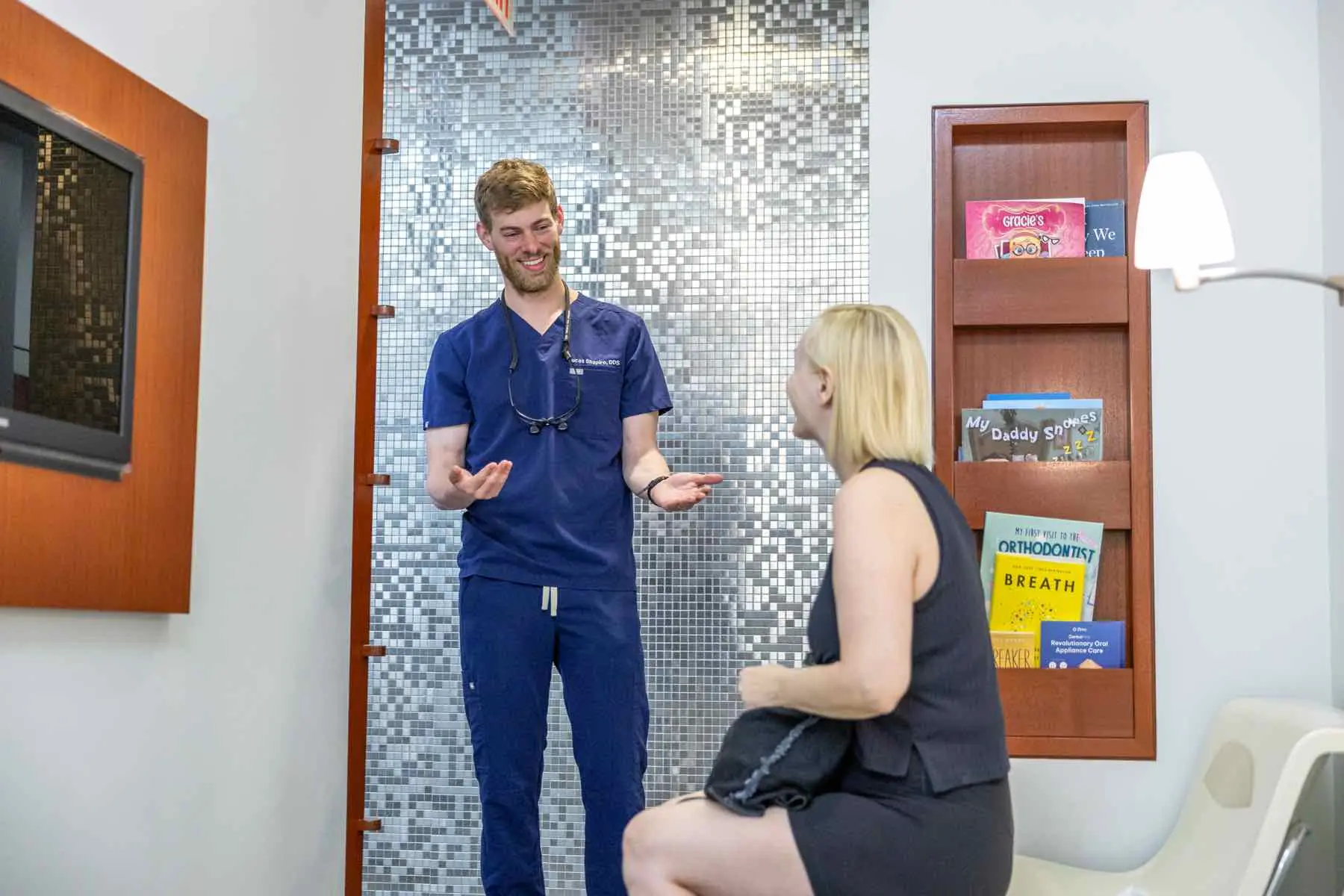
Dr. Shapiro will review your case, explain your choices in plain language, and help you decide on next steps at your pace.