Why Dr. Shapiro Uses the ArCAD System by Allure for Fine-Tuned Aligner Movements
Dr. Lucas W. Shapiro, DDS·
Published
Choosing the Right Tool for the Right Movement
In a recent TikTok, Dr. Lucas Shapiro of Wall Street Orthodontics explained why he sometimes reaches for a different clear aligner system entirely: the ArCAD system by Allure. Rather than defaulting to a single platform for every case, he uses ArCAD specifically for minor movements, because of the level of control it gives him over exactly how each stage of the treatment plan progresses.
This is a great window into something patients don’t often think about: not every clear aligner case is planned on the same platform, and that’s by design, not inconsistency.
What Is the ArCAD System by Allure?
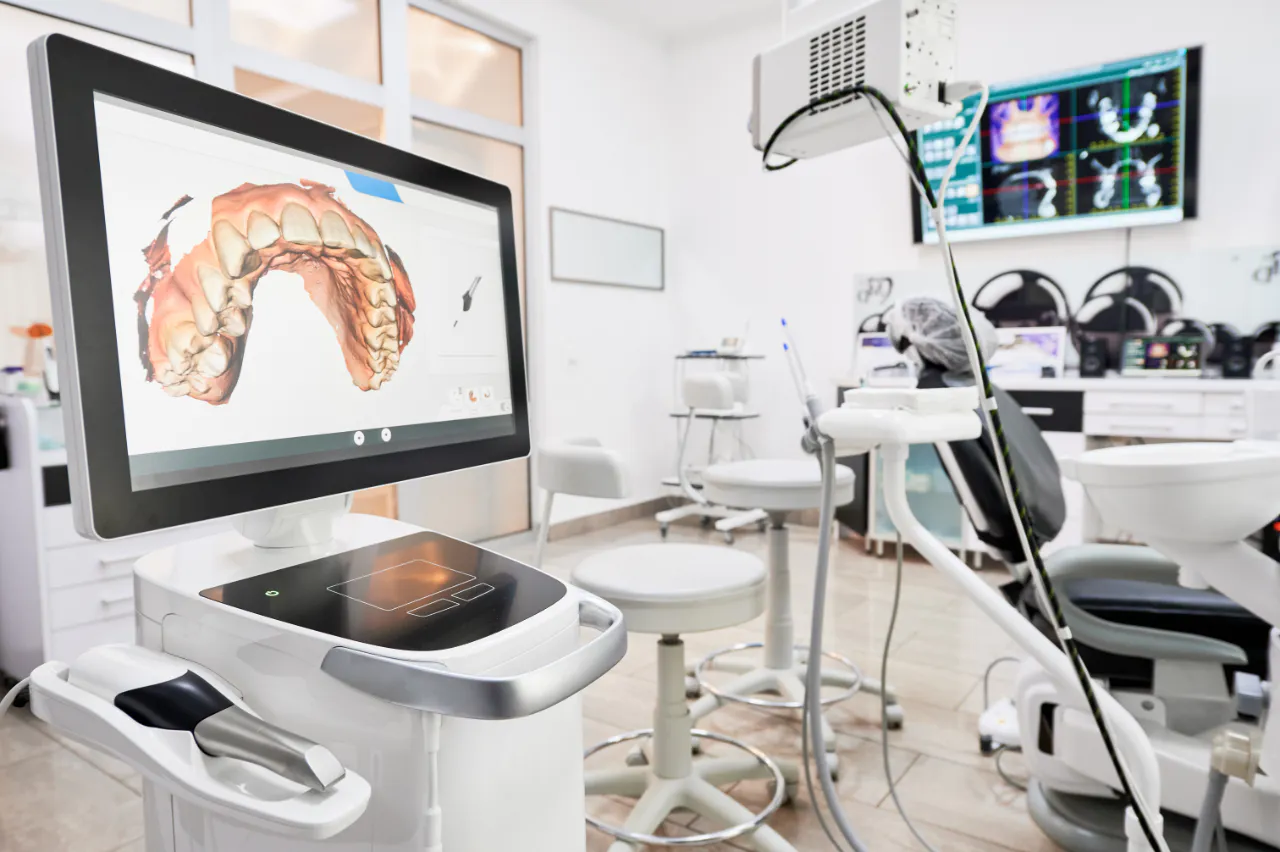
ArCAD is a clear aligner planning and production platform developed by Arcad Digital Solutions in partnership with Allure Ortho. Like other aligner systems, it takes a digital scan of the patient’s teeth and builds a staged treatment plan, a sequence of aligners, each one nudging the teeth slightly closer to their final position. What sets it apart is the level of granular, hands-on control it gives the orthodontist over how that staged plan is built and adjusted.
What Does “Controlling Velocity Per Aligner Stage” Actually Mean?
Every clear aligner series is broken into stages, with each individual aligner responsible for a small amount of tooth movement before the next one takes over. “Velocity” in this context refers to how much movement is programmed into each specific stage, essentially, how fast or slow a particular tooth movement is scheduled to happen across the series.
Being able to fine-tune that velocity stage-by-stage, rather than relying on a generic default progression, allows an orthodontist to slow down movements that need more time to track predictably, or adjust the pace of a specific tooth’s movement independently from the rest of the arch. It’s a more surgical level of control than simply accepting the software’s automatic staging.
Why This Matters More for Minor Movements
For larger, more complex cases involving significant crowding, bite correction, or multiple teeth moving in different directions at once, broader default staging protocols generally work well, since the overall plan has more room to average out small imprecisions along the way.
Minor movements are a different story. Correcting a single rotated tooth, closing a small gap, or fine-tuning a nearly finished case leaves much less margin for error. If a stage tries to move a tooth too far, too fast, aligners can stop tracking properly, leading to poor fit and slower, less predictable progress. This is exactly why Dr. Shapiro turns to a system like ArCAD for these smaller, more delicate movements: the added control over stage-by-stage velocity helps ensure each small movement happens at a pace the tooth and surrounding bone can actually keep up with.
It’s Not About One System Being “Better”
This isn’t a case of one aligner platform being universally superior to another. We’ve made a similar point in our post comparing two different aligner planning platforms on the same case, where the real differentiator wasn’t the software itself, but how closely the plan was reviewed and adjusted by the orthodontist. The same principle applies here: ArCAD isn’t being used because it’s inherently better than Invisalign or any other system, it’s being used because its specific strengths, granular stage-by-stage control, make it especially well-suited to minor movement cases.
This mirrors the broader philosophy we’ve discussed in our post on optimized rotation vs. retention attachments: the details of how a plan is built and adjusted, not just the finished simulation, are what actually determine how well treatment tracks in real life.
What This Means for Patients
If you’re being treated with a system you haven’t heard of before, or if your orthodontist mentions using a different platform than what a friend or family member used for their own treatment, it doesn’t mean anything is being done incorrectly. It often means the treatment plan is being matched intentionally to the specific type of movement your case requires, whether that calls for a system built for broad, complex tooth movement or one built for precise, closely controlled minor adjustments.
FAQs
What is the ArCAD system by Allure?
ArCAD is a clear aligner treatment planning and production platform that gives orthodontists detailed, hands-on control over how each stage of a digital aligner plan is built and adjusted.
What does “velocity per aligner stage” mean?
It refers to how much tooth movement is programmed into each individual aligner in the series. Controlling this stage-by-stage allows an orthodontist to slow down or fine-tune specific movements rather than relying on a generic default pace.
Why would an orthodontist use a different aligner system for minor movements?
Minor movements have less margin for error. Systems that allow granular, stage-by-stage control can help ensure small movements track predictably, rather than risking poor aligner fit from stages that try to move teeth too quickly.
Is one aligner system better than another overall?
Not universally. Different systems have different strengths, and the best choice often depends on the type and complexity of movement a specific case requires, not a single “best” platform for every patient.
Does using multiple aligner systems mean inconsistent treatment?
No. Using different platforms for different types of cases is often an intentional decision based on matching each system’s strengths to the specific movement needs of that patient.
Ready for a Treatment Plan Matched to Your Specific Case?
Whether your treatment involves complex tooth movement or fine-tuned minor adjustments, Wall Street Orthodontics selects the right planning approach for your specific needs, rather than defaulting to a one-size-fits-all system.