What Are Invisalign Attachments and Why Do They Matter?
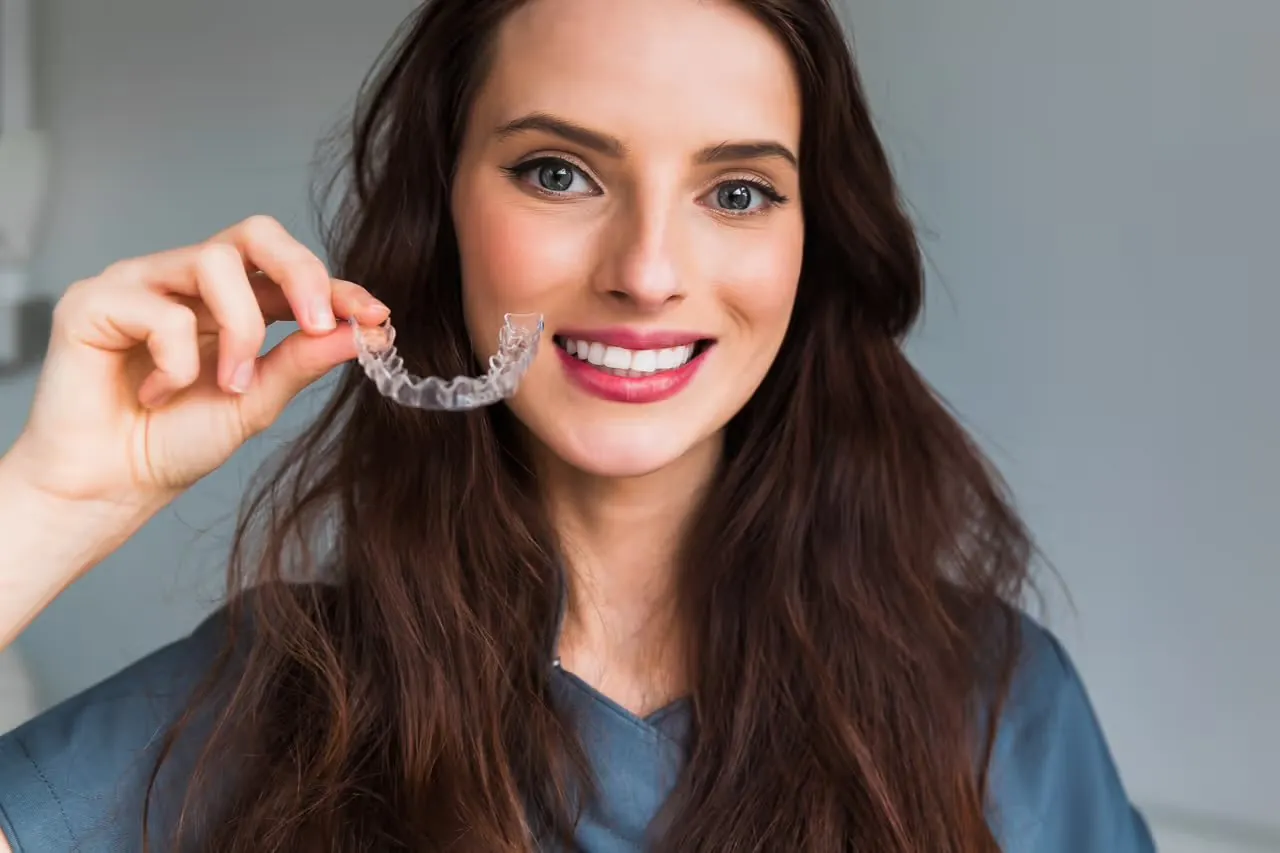
Attachments are small, tooth colored bumps made of a dental composite material. Your orthodontist bonds them to specific teeth before certain aligner stages, and they stay on your tooth until treatment calls for a change. On their own, clear aligners are smooth plastic shells. That smooth surface is great for comfort, but it makes it hard for the tray to grip a tooth and push it in a very specific direction. Attachments give the aligner something to hold onto, almost like a handle built right onto the tooth. Learn more about how the full Invisalign system works at Wall Street Orthodontics, from your first scan to your final retainer.
How Attachments Help Aligners Move Teeth More Precisely
Each aligner tray is designed to move a tooth a small amount, often a fraction of a millimeter, before the next tray takes over. Attachments help the tray apply force in the exact direction the tooth needs to go, whether that is tipping, rotating, or shifting up and down. Without the right attachment, an aligner can slip or apply force unevenly, which can slow progress or lead to teeth that don't track well with the plan. If you're curious about how much movement actually happens tray by tray, our post on how much teeth actually move with Invisalign breaks it down in more detail.
Optimized Rotation Attachments: How They Work
Optimized rotation attachments are a specific attachment shape built for one job: rotating a tooth that is twisted out of its normal position. Instead of a simple rectangular bump, these attachments have a more precise, angled shape that wraps around the tooth in a way that resists slipping while the aligner turns it. The shape is chosen inside the digital treatment plan based on how much rotation a tooth needs and which direction it has to turn.
Which Teeth Typically Need Rotation Attachments
Round teeth are the hardest teeth to rotate with aligners alone, because they don't have flat sides for the tray to grab. Premolars and canines are the most common teeth to get optimized rotation attachments, since their rounded shape makes twisting movement difficult without extra grip. Front teeth can need them too, especially when a tooth has rotated noticeably out of the dental arch.
Retention Attachments: A Different Job, A Different Shape
Retention attachments are not built to move a tooth. Their job is to hold a tooth still while the aligner moves the teeth around it. Picture a row of dominoes: if one tooth needs to stay exactly where it is while its neighbors shift, an unsecured tooth can drift along with the crowd. A retention attachment acts like a small anchor, keeping that tooth stable and on track with the overall plan.
Since these two attachment types are easy to mix up, here's a quick side-by-side reference for what each one actually does:
| Attachment Type | Main Purpose | Typical Shape | Where It's Commonly Used |
| Optimized Rotation | Turns a tooth into correct alignment | Angled, wraps around the tooth surface | Round teeth like premolars and canines |
| Retention | Holds a tooth steady while nearby teeth move | Flatter, more uniform bump | Teeth that have already reached their planned position |
The two attachment types aren't competing options. Your orthodontist may use both, sometimes in the same arch, because each one solves a different part of your tooth movement puzzle.
When Retention Attachments Are the Right Clinical Choice
Your orthodontist may add a retention attachment when a tooth has already reached its correct position earlier in treatment and needs to stay put while later stages finish moving other teeth. They're also used when a tooth is at risk of tipping or rotating on its own as forces shift elsewhere in the arch. This is a planning decision made stage by stage, not a fixed rule applied to every case.
Invisalign Precision Cuts: Adding Another Layer of Control
Beyond attachments, Invisalign treatment can include precision cuts, which are small, deliberate notches cut into the aligner plastic itself. These cuts give the tray a bit more flexibility in one specific spot, which helps with movements like extruding a tooth, pulling it down further into the bite. Precision cuts and attachments often work together in the same treatment plan, each solving a different part of a tooth's movement. Some patients also ask how precision cuts compare with interproximal reduction, another technique used to manage space and crowding. They solve different problems: precision cuts affect tray mechanics, while IPR changes the width of a tooth's contact points.
Why Invisalign Treatment Planning Determines Your Results
The attachments and cuts described above only work well when they're placed correctly in the first place. This is decided during treatment planning, when your orthodontist reviews a digital simulation of your entire treatment and decides which teeth need rotation attachments, which need retention attachments, and where precision cuts make sense. A generic, one-size-fits-all plan can miss these details, which is one reason not every Invisalign provider moves teeth the same way. At Wall Street Orthodontics, Dr. Shapiro reviews and adjusts each digital plan himself before treatment begins.
How Attachment Selection Affects Aligner Efficiency
When attachments are placed with the right shape, in the right spot, aligners tend to track more predictably, which can mean fewer refinement trays and a smoother path to your final result. When attachment planning is rushed or generic, teeth can lag behind the digital plan, leading to extra scans, extra trays, and a longer timeline. Precise planning up front is designed to save you time later.
Contact Us with questions about your Invisalign treatment plan.